Proper drainage is the most critical factor in asphalt longevity, especially in Southern Maine's high-precipitation climate. Pine State Asphalt uses precision grading, catch basins, swales, and underdrains to protect the sub-base from water damage that causes cracking and potholes. Investing in the right drainage upfront can extend the life of a driveway or parking lot to 20 years or more.

When people think about a "good" paving job, they usually think about how black and smooth the surface looks on day one. But at Pine State Asphalt, we know that the real quality of a paving project is hidden beneath the surface. Specifically, it’s all about how the project handles water.
In Southern Maine, we deal with a high volume of precipitation and a high water table in many areas like Scarborough and Saco. If you don't have a plan for drainage, even the most expensive asphalt mix will fail prematurely.
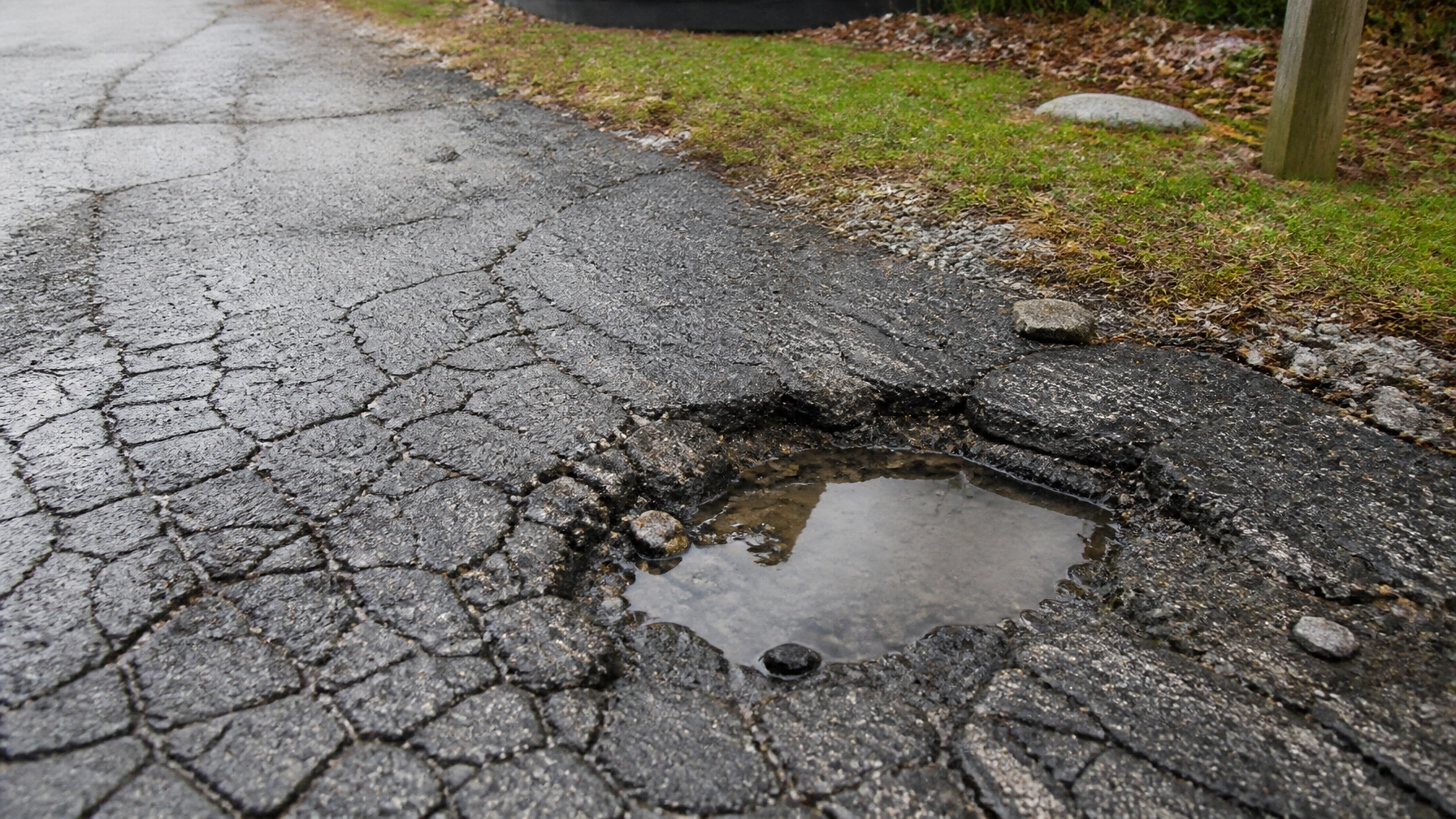
To understand drainage, you have to understand why water kills asphalt. Asphalt is "flexible" pavement, meaning it relies on a rock-solid, dry base of gravel and stone to support the weight of vehicles. When water gets under the asphalt: either through cracks or by seeping in from the sides: it turns that dry base into a soft, muddy mess.
When a car drives over that soft spot, the asphalt flexes more than it was designed to. This creates "alligator cracking" (small, interconnected cracks that look like reptile skin). Once this happens, the section of pavement is effectively "dead" and will eventually turn into a pothole.
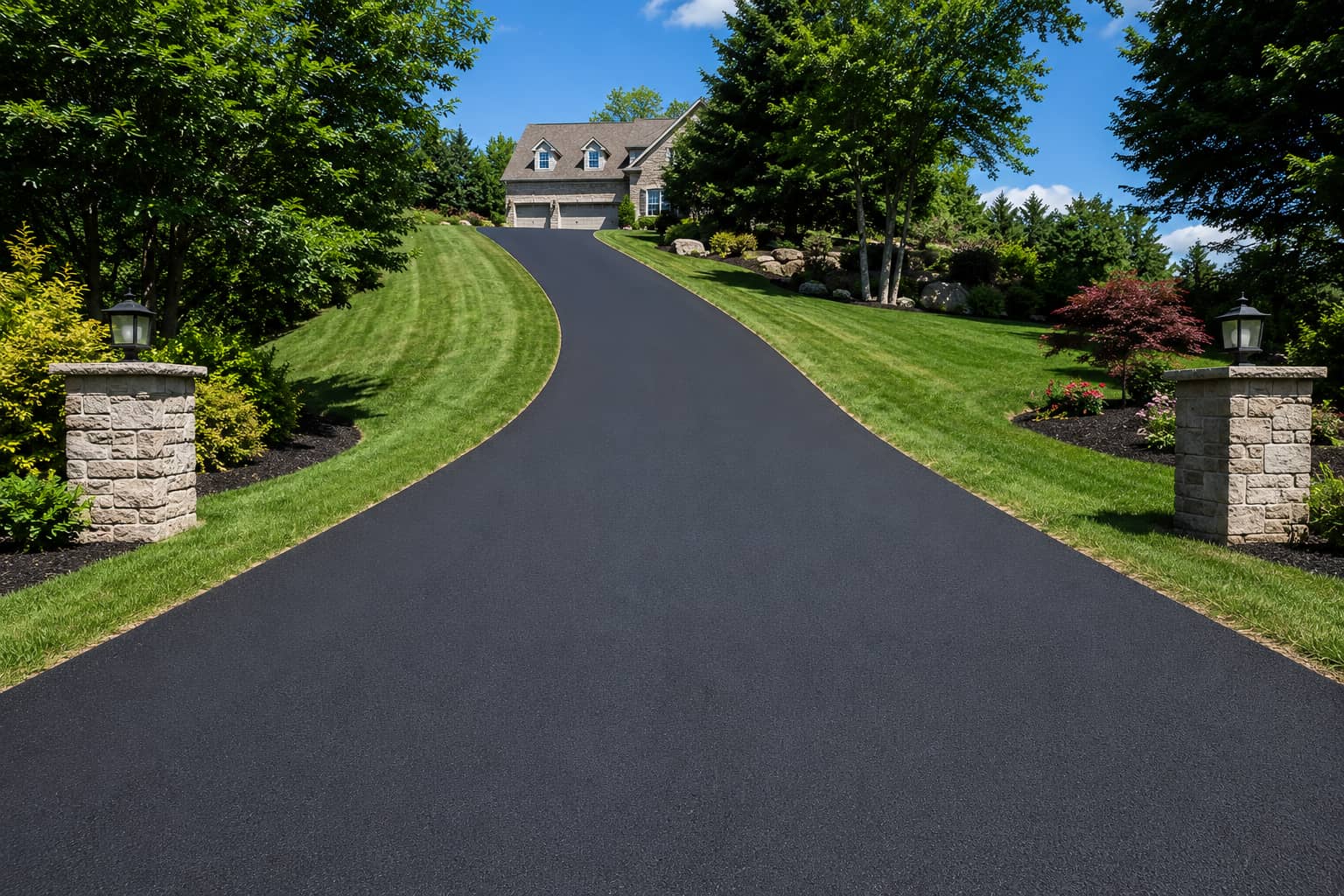
The most important part of any paving project happens before the first truck of asphalt arrives. It’s the earthwork and grading.
As a rule of thumb, Pine State Asphalt aims for a minimum slope of 2% in every direction. This is just enough of a pitch to ensure that gravity pulls water off the surface and into the surrounding soil or drainage system. In flat areas, creating this pitch requires precision equipment and an experienced eye. Without it, you end up with "birdbaths": puddles that sit on your driveway for days, slowly eating away at the surface.
Sometimes, simply grading the driveway isn't enough. If your property is at the bottom of a hill or has a high clay content in the soil, we may need to implement more advanced drainage solutions:
We don't just pave; we solve problems. Before we start any commercial or residential project, our team evaluates the "lay of the land." We look at where the water comes from and where it wants to go. By investing in the right drainage and earthwork upfront, you aren't just getting a driveway: you’re getting a piece of infrastructure that will serve your property for 20 years or more.



"They were easy to work with and did a beautiful job sealing the driveway. So very happy we use them."


"Did my driveway. Very large, very steep driveway with some special features. Came out great. Very happy with the service. Nice people to work with too."

"You guys did an awesome job! The sealcoating looks great on my driveway and you can barely tell that the in-laws pothole was ever there. Thanks for the work!"



%201.png)


.jpg)
.jpg)
.png)
.png)