Gravel has been a Maine staple for years, but the hidden costs of maintenance and "mud season" are leading many to make the switch. We compare asphalt vs. gravel, highlighting why smooth paving is more resilient against Maine’s freeze-thaw cycles and how it boosts your home's curb appeal.

![[HERO] Asphalt vs. Gravel: Why Maine Homeowners Are Swapping Stone for Smooth Paving](https://cdn.prod.website-files.com/68fd077474af1693102f798e/6982782b3ac82a55d156619a_6ec53511.jpeg)
If you've lived in Maine for any length of time, you've probably driven over your fair share of gravel driveways. They're everywhere, from rural farmhouses to suburban homes tucked away in the woods. For decades, gravel was the go-to choice for Maine homeowners looking for an affordable, low-commitment driveway solution.
But lately, something's been shifting. More and more homeowners across Southern Maine and the Portland area are ditching the stone and opting for smooth, professionally paved asphalt driveways instead. So what's driving this change? Is asphalt really worth the upgrade, or is gravel still the practical choice for Maine living?
Let's break it down and explore why so many folks are making the switch, and whether it might make sense for your property too.
The Case for Gravel: Why It's Been Popular for So Long
Before diving into why asphalt is gaining ground, it's only fair to acknowledge why gravel has been a Maine staple for generations.
Gravel driveways are relatively simple to install. There's no specialized equipment needed beyond some basic grading work, and the materials are readily available throughout the state. For homeowners on large rural properties with long driveways, gravel has traditionally offered a way to cover a lot of ground without a massive upfront investment.
Gravel also has decent drainage capabilities. Water can filter through the loose stones rather than pooling on top, which sounds appealing in a state that sees plenty of rain and snowmelt throughout the year.
But here's the thing, what works in theory doesn't always hold up in practice, especially when Maine weather gets involved.
The Reality of Gravel in Maine's Climate
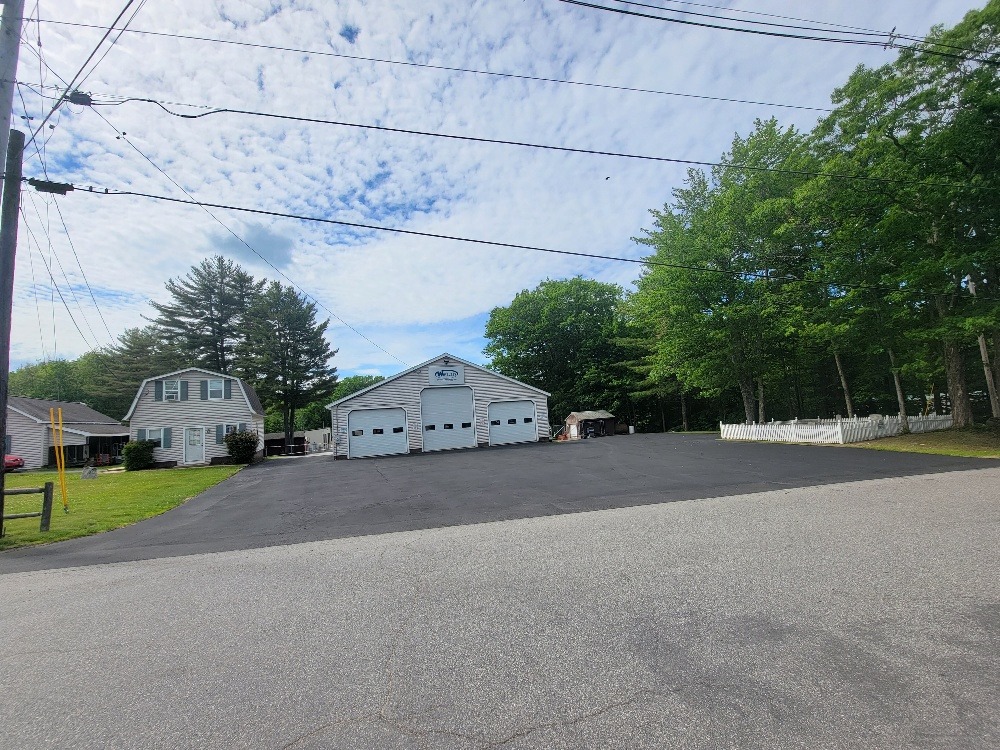
Anyone who's maintained a gravel driveway through a Maine winter knows the struggle. That loose stone that seemed so practical in the summer? It becomes a constant battle once the snow starts flying.
Plow damage is inevitable. Every time a plow blade scrapes across a gravel driveway, it takes a layer of stone with it. By spring, homeowners often find their gravel scattered across the lawn, pushed into drainage ditches, or piled up at the end of the driveway. Replacing that lost material year after year adds up quickly, both in time and hassle.
Ruts and potholes form fast. Maine's freeze-thaw cycles are brutal on gravel surfaces. Water seeps into the base, freezes, expands, and creates soft spots that turn into ruts the moment vehicles drive over them. Before long, that smooth gravel surface looks more like a washboard road.
Mud season is a nightmare. When spring arrives and the ground starts to thaw, gravel driveways can turn into muddy, unstable messes. The stone sinks into the soft earth below, and what was once a driveway becomes more of an obstacle course.
Weeds love gravel. Without a solid barrier, grass and weeds work their way up through the stones constantly. Keeping a gravel driveway looking clean and maintained requires regular attention that many homeowners simply don't have time for.
Why Asphalt Handles Maine Weather Better
This is where asphalt really shines for Maine paving projects. Unlike loose gravel, asphalt creates a solid, unified surface that's specifically designed to handle the challenges of New England weather.
Flexibility is the key. Asphalt's petroleum-based composition gives it a natural flexibility that rigid surfaces lack. When temperatures drop and the ground freezes, asphalt can expand and contract along with those changes rather than cracking apart. This makes it far more resilient against Maine's infamous freeze-thaw cycles.
Heat absorption works in your favor. Here's something most people don't think about, asphalt's dark color absorbs heat from the sun, which helps melt snow and ice faster than lighter-colored surfaces. On those bright winter days after a storm, a properly maintained asphalt driveway will often clear itself much quicker than gravel or concrete alternatives. That means less shoveling, less salt, and safer conditions for your family.
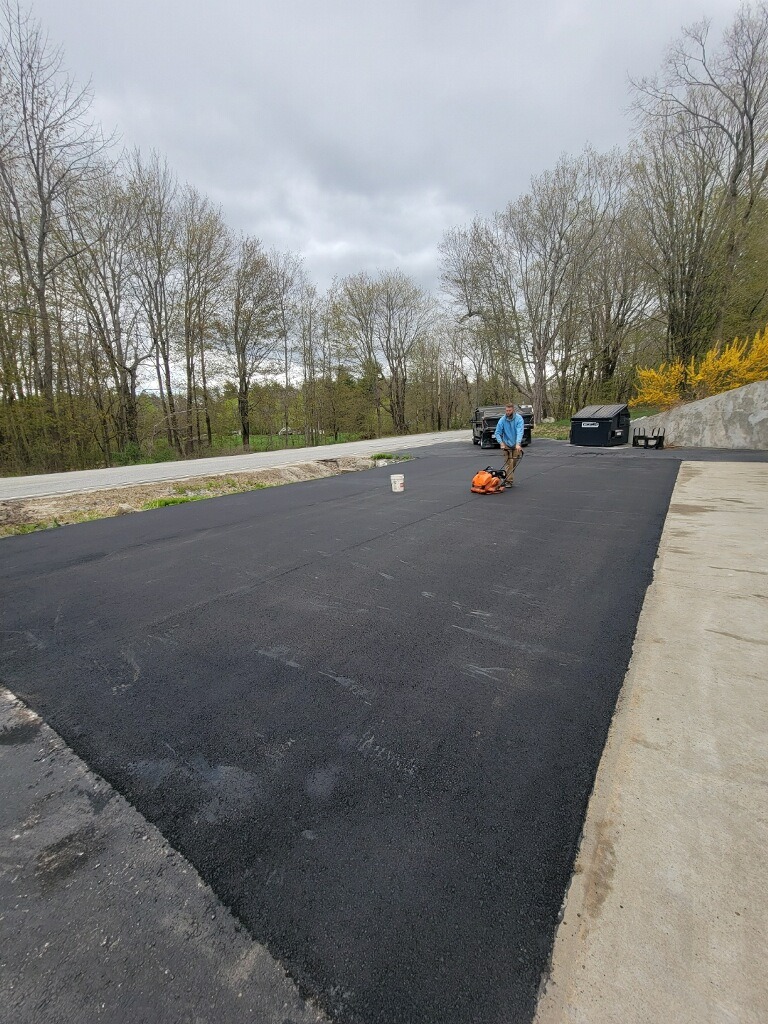
Plowing is simple and effective. With a smooth asphalt surface, plow blades glide right across without catching or dragging material away. Homeowners with asphalt driveways don't lose their surface every winter, they just clear the snow and move on with their day.
The Maintenance Comparison: Less Work Over Time
One of the biggest misconceptions about gravel driveways is that they're "low maintenance." In reality, maintaining a gravel driveway properly requires constant attention.
Gravel needs regular regrading to smooth out ruts and redistribute displaced stone. It needs fresh material added periodically to replace what's been lost to plowing, erosion, and general wear. Weed control is an ongoing battle. And every few years, the entire surface may need to be reworked to address drainage issues or base problems.
Asphalt, on the other hand, offers a much more predictable maintenance schedule. With proper installation and periodic sealcoating, an asphalt driveway can last anywhere from 15 to 25 years, sometimes even longer in the right conditions. Crack sealing and minor repairs along the way keep the surface in good shape without the constant hands-on attention that gravel demands.
For busy Maine homeowners who would rather spend their weekends enjoying the outdoors than maintaining their driveway, that difference matters.
Curb Appeal and Property Value
Let's be honest, appearances count. Whether you're planning to stay in your home forever or might sell someday, the look of your property makes an impression.
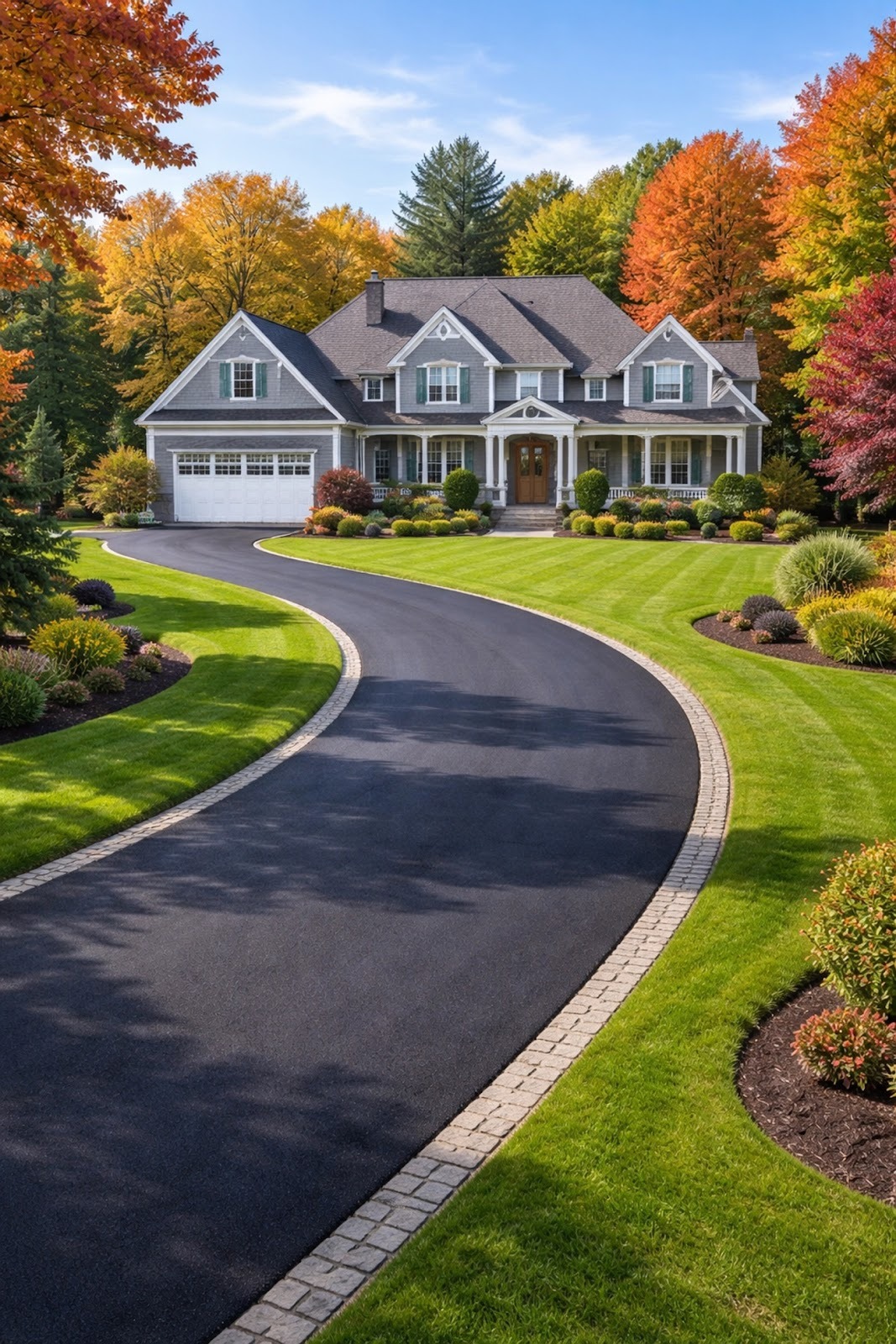
A well-maintained asphalt driveway creates an immediate sense of quality and care. It's smooth, clean, and professional-looking. It photographs well for real estate listings. It makes a statement before anyone even walks through your front door.
Gravel driveways, even when freshly graded, tend to look more rustic and informal. That's fine for some properties and personal preferences, but for homeowners looking to maximize curb appeal and property value, asphalt is almost always the better choice.
Real estate professionals consistently point to driveways as one of the first things potential buyers notice. A cracked, rutted gravel driveway can create doubts about how well the rest of the property has been maintained, even if the home itself is in perfect condition.
Safety and Accessibility Benefits
Beyond aesthetics, there are practical safety reasons to consider asphalt over gravel.
Smoother surfaces are safer. Walking on loose gravel, especially for children, elderly family members, or anyone with mobility challenges, can be tricky. Stones shift underfoot, creating an unstable walking surface. Asphalt provides a firm, even surface that's safer for everyone.
Better traction in winter. Contrary to what some people assume, properly maintained asphalt actually offers better traction than gravel in winter conditions. Ice and snow can be cleared completely from asphalt, while gravel tends to trap ice between the stones where it's impossible to remove.
Bicycle and stroller friendly. For families with young kids, a smooth asphalt driveway makes a huge difference. Bikes, scooters, strollers, and wagons all roll easily on asphalt. On gravel? Not so much.
When Does Switching to Asphalt Make Sense?
Not every gravel driveway needs to be replaced immediately. But there are certain situations where upgrading to asphalt makes especially good sense:
Your driveway is relatively short to medium length. For driveways under a few hundred feet, asphalt is often the most practical long-term solution.
You're tired of annual repairs and regrading. If you find yourself constantly fighting with ruts, potholes, and displaced stone, it might be time to invest in something more permanent.
You're planning to sell in the next several years. Upgrading to asphalt before listing can boost curb appeal and potentially increase your home's market value.
You want a cleaner, more polished look. Sometimes it's as simple as wanting your property to look its best. There's nothing wrong with that.
Accessibility is a priority. If anyone in your household has mobility concerns, the switch to a smooth, stable surface can make daily life significantly easier.
The Importance of Proper Installation
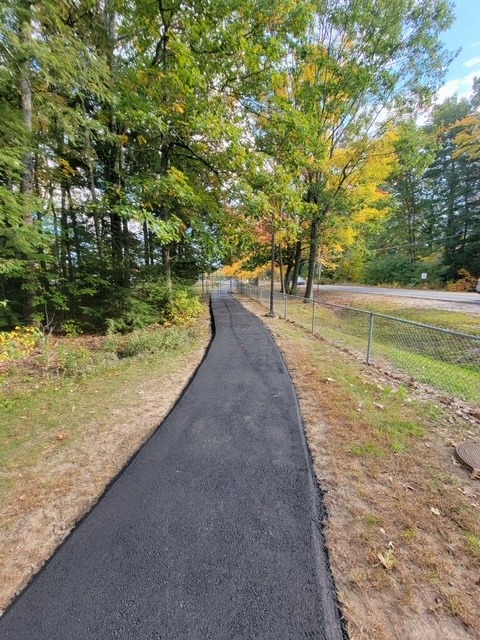
Here's something worth emphasizing: the benefits of asphalt only hold true when the driveway is installed correctly. Proper grading, adequate base preparation, and quality materials all play crucial roles in how well an asphalt surface performs over time.
This is where working with an experienced Maine paving contractor matters. The unique challenges of our climate, the freeze-thaw cycles, the heavy snow loads, the spring mud season, require specific knowledge and techniques that not every contractor possesses.
Pine State Asphalt has worked on countless residential paving projects throughout Southern Maine, and the team understands exactly what it takes to build driveways that last. From initial earthwork and grading to final compaction, every step matters when it comes to long-term performance.
Making the Right Choice for Your Property
At the end of the day, the decision between gravel and asphalt comes down to your priorities, your property, and your lifestyle. Gravel still has its place for certain applications, particularly on very long rural driveways where the sheer length makes paving impractical.
But for the majority of Maine homeowners, especially those in the Portland area and throughout Southern Maine, asphalt offers a better combination of durability, appearance, safety, and long-term value. It handles our tough winters better, requires less ongoing maintenance, and simply looks more polished.
If you've been dealing with the frustrations of a gravel driveway and wondering whether there's a better way, the answer is probably yes. And if you're ready to explore what an asphalt upgrade might look like for your property, reaching out to the team at Pine State Asphalt is a great place to start.
Your driveway is the first thing you see when you come home and the last thing you cross when you leave. It might be time to make it something you're proud of.



"They were easy to work with and did a beautiful job sealing the driveway. So very happy we use them."


"Did my driveway. Very large, very steep driveway with some special features. Came out great. Very happy with the service. Nice people to work with too."

"You guys did an awesome job! The sealcoating looks great on my driveway and you can barely tell that the in-laws pothole was ever there. Thanks for the work!"


%201.png)


.jpg)
.jpg)
.png)
.png)