Maine’s freeze-thaw cycles are brutal on asphalt. This guide breaks down the critical differences between sealcoating and repaving, helping homeowners identify if their driveway needs a simple protective layer or a complete structural overhaul to survive the next winter.

![[HERO] Sealcoating vs. Repaving: When to Repair and When to Start Over in Southern Maine](https://cdn.prod.website-files.com/68fd077474af1693102f798e/69827512a9079cd1a23117f9_96aa0205.jpeg)
Every Southern Maine homeowner knows the feeling. You walk out to your driveway on a crisp morning, coffee in hand, and notice something's not quite right. Maybe it's a few new cracks spider-webbing across the surface. Perhaps the once-dark asphalt has faded to a tired gray. Or worse: there's a pothole forming near the garage that wasn't there last spring.
The question hits: Is it time to sealcoat, or does the whole thing need to be repaved?
It's a common dilemma, and making the wrong call can either waste money on a temporary fix or lead to unnecessary expense when a simpler solution would do the trick. This guide breaks down everything homeowners need to know about sealcoating versus repaving, specifically tailored for those dealing with Maine's unique climate challenges.
What Exactly Is Sealcoating?
Sealcoating is essentially a protective layer applied over existing asphalt. Think of it like sunscreen for a driveway: it shields the surface from UV rays, water penetration, and the chemicals that drip from vehicles. The process involves applying a liquid coating that fills in minor surface imperfections and creates a fresh, dark appearance.
The key word here is "protective." Sealcoating works best as preventive maintenance rather than a repair solution. It's designed to extend the life of asphalt that's still in good structural condition. When applied correctly and at the right intervals, sealcoating can add years to a driveway's lifespan by slowing down the natural deterioration process.
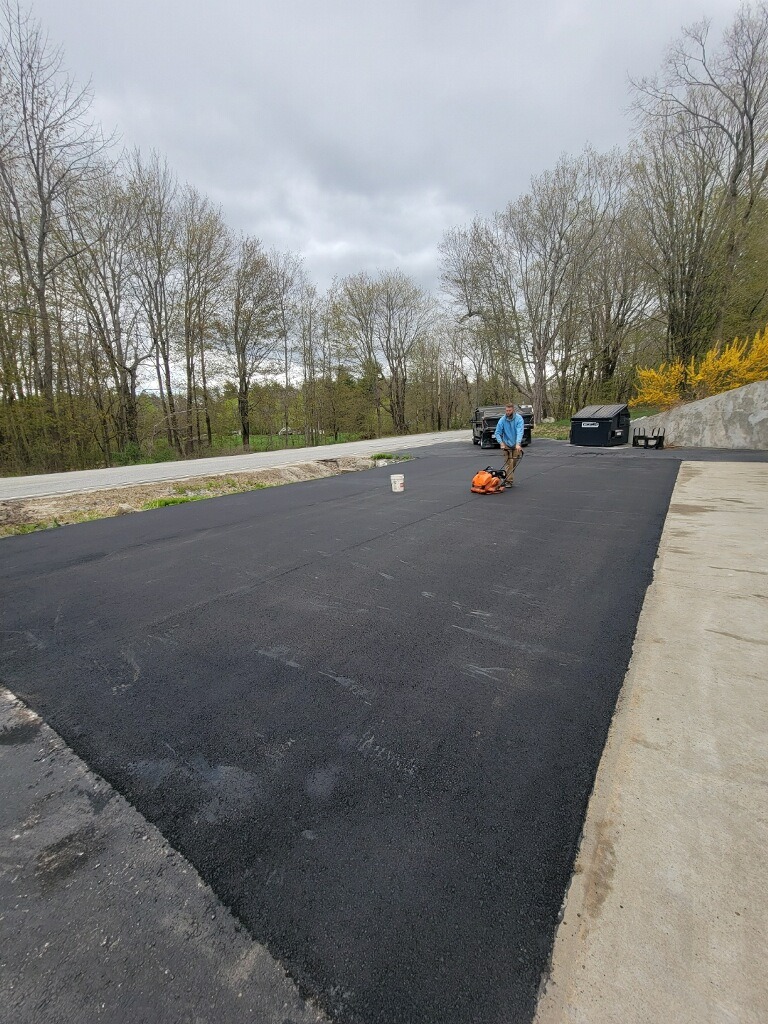
Most paving professionals, including those affiliated with the Maine Asphalt Paving Association, recommend reapplying sealcoat every two to three years for optimal protection. However, timing depends heavily on traffic volume, sun exposure, and how well the previous application held up.
What Does Repaving Involve?
Repaving is a more comprehensive solution that involves removing the damaged asphalt surface and installing fresh material. Depending on the condition of the base layer underneath, repaving might mean a complete tearout and replacement or an overlay where new asphalt is placed directly over the existing surface.
This option addresses structural problems that sealcoating simply can't touch. When the foundation has shifted, when cracks have penetrated deep into the base, or when the pavement has reached the end of its natural lifespan, repaving provides a fresh start.
A properly installed asphalt driveway in Maine can last anywhere from 15 to 20 years with appropriate maintenance. After that point, even the best care won't overcome the accumulated wear and tear from decades of freeze-thaw cycles, vehicle traffic, and exposure to the elements.
When Sealcoating Makes Sense
Sealcoating is the right choice when a driveway meets certain criteria. Here's what to look for:
Surface-Level Wear Only
If the damage is purely cosmetic: fading color, minor surface roughness, or tiny hairline cracks: sealcoating can restore the appearance and provide protection. The asphalt underneath should still be solid and level.
Minor Cracking
Small cracks less than a quarter-inch wide are typically candidates for crack filling followed by sealcoating. These minor imperfections haven't yet compromised the structural integrity of the pavement.
Preventive Maintenance
Homeowners who want to maximize their driveway's lifespan should consider sealcoating before problems develop. It's far easier (and more cost-effective) to protect healthy asphalt than to repair damaged pavement later.
Recent Installation
New asphalt driveways should be sealcoated for the first time about 6 to 12 months after installation, once the pavement has fully cured. This initial application sets the stage for years of protection.
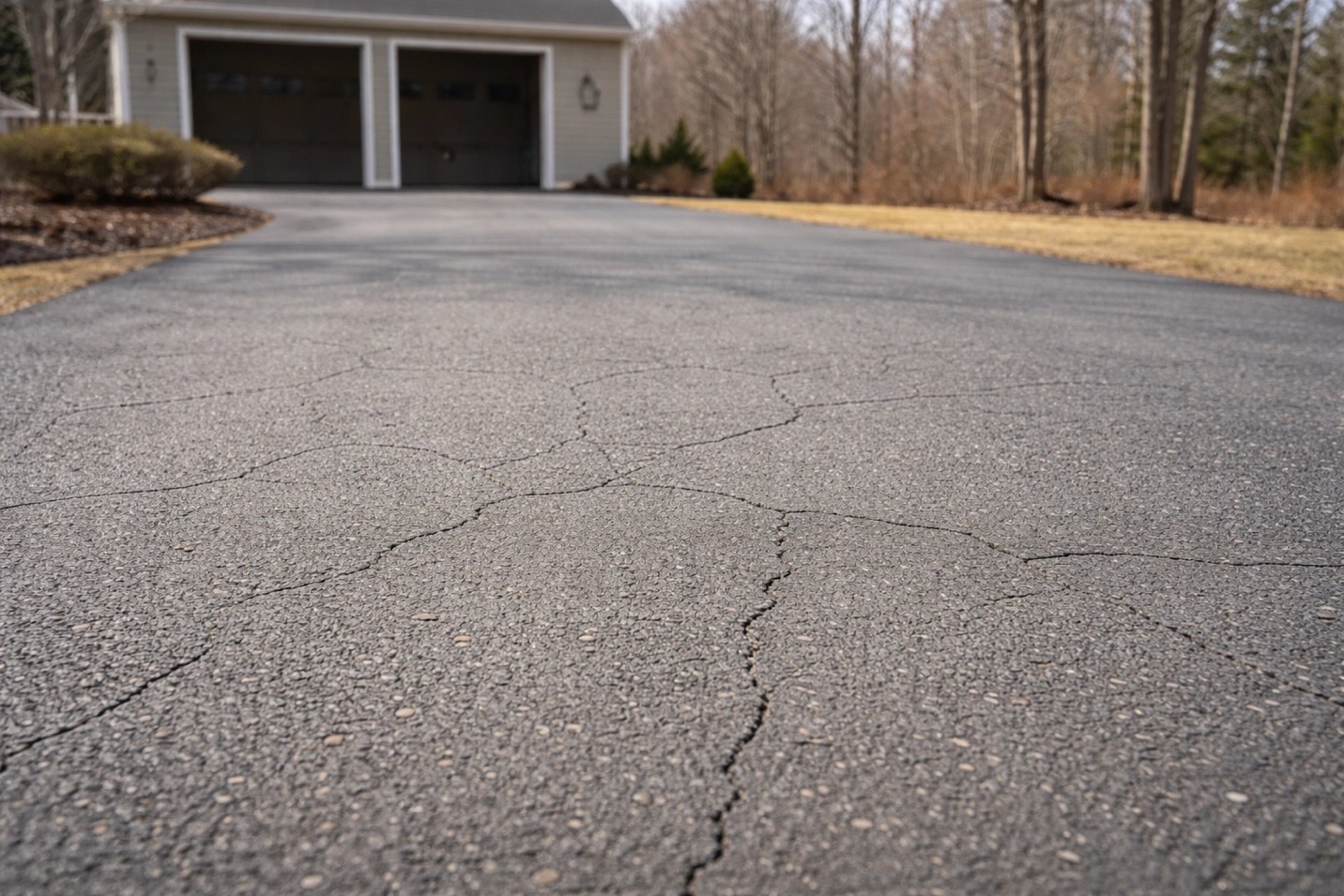
Important caveat: Sealcoating doesn't fill potholes, repair large cracks, or fix drainage issues. Any significant damage needs to be addressed before sealcoating, or the problems will simply continue beneath that fresh black surface.
When Repaving Becomes Necessary
Sometimes sealcoating just isn't enough. Here are the signs that point toward repaving:
Extensive Cracking
When cracks are widespread, deep, or interconnected in an "alligator" pattern, the structural integrity of the asphalt has been compromised. Sealcoating over this type of damage is like putting a bandage on a broken bone: it might look better temporarily, but the underlying problem remains.
Potholes and Depressions
Potholes indicate that the base layer has failed in that area. While individual potholes can sometimes be patched, multiple potholes or large depressions suggest systemic issues that require more extensive work.
Age of the Pavement
Asphalt that's pushing 15 to 20 years old has likely reached or exceeded its expected lifespan. Even if it doesn't look terrible, the material itself has become brittle and less resilient. At this point, continued maintenance becomes a losing battle.
Drainage Problems
Water pooling on the surface or flowing toward the foundation indicates grading issues. These problems can't be fixed with sealcoating: they require regrading the base and installing new pavement at the correct slope.
Base Layer Damage
If the ground beneath the asphalt has shifted, settled, or eroded, the surface will continue to deteriorate no matter how many times it's sealed. Repaving allows contractors to address these foundational issues properly.
The Maine Factor: Why Climate Matters
Southern Maine presents unique challenges for asphalt maintenance that homeowners in warmer climates simply don't face. The freeze-thaw cycle is particularly brutal on pavement.
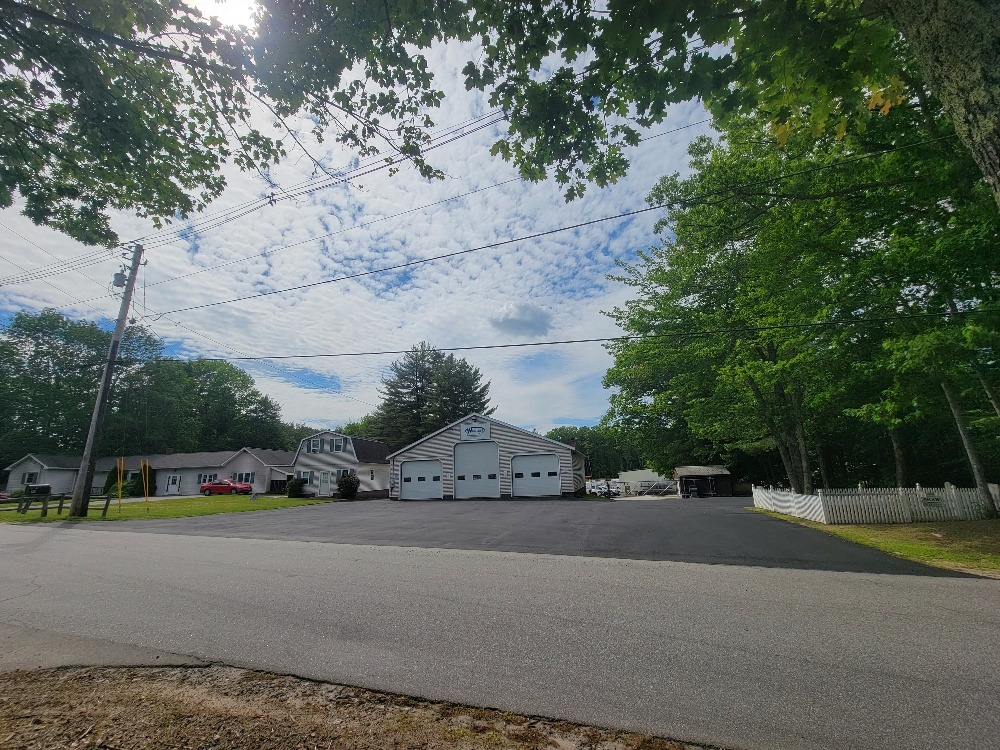
Here's what happens: Water seeps into small cracks and pores in the asphalt during rain or snowmelt. When temperatures drop below freezing: which happens plenty between November and April: that water expands as it turns to ice. This expansion forces the cracks wider. Then the ice melts, more water enters the now-larger cracks, and the cycle repeats.
Over a single Maine winter, this process can turn hairline cracks into serious structural damage. It's one reason why preventive sealcoating is so valuable in this region: keeping water out in the first place prevents the freeze-thaw cycle from doing its destructive work.
However, this same climate reality means that once damage has progressed past a certain point, sealcoating alone won't cut it. Water has already infiltrated the base layer, and no amount of surface protection will undo that damage. In these cases, repaving becomes the only viable long-term solution.
Making the Right Decision: A Quick Assessment Guide
Homeowners can do a basic assessment of their driveway to get a sense of which direction to go. Here's a simple checklist:
Lean Toward Sealcoating If:
Lean Toward Repaving If:
Of course, this self-assessment only goes so far. The best way to know for certain is to have a professional evaluate the pavement. An experienced contractor can assess not just the surface condition but also the state of the base layer underneath: something that's impossible to determine just by looking.
Working with a Maine Paving Professional
Whether the answer is sealcoating or repaving, working with a reputable contractor makes all the difference. Here's what to look for:
Local Experience
Maine paving requires understanding local soil conditions, climate patterns, and material performance in cold weather. Contractors who've worked extensively in Southern Maine know what works and what doesn't in this environment.
Proper Assessment
A trustworthy contractor won't push for repaving if sealcoating will do the job, and they won't recommend sealcoating over pavement that clearly needs replacement. Look for someone who takes time to evaluate the situation and explains the reasoning behind their recommendation.
Clear Communication
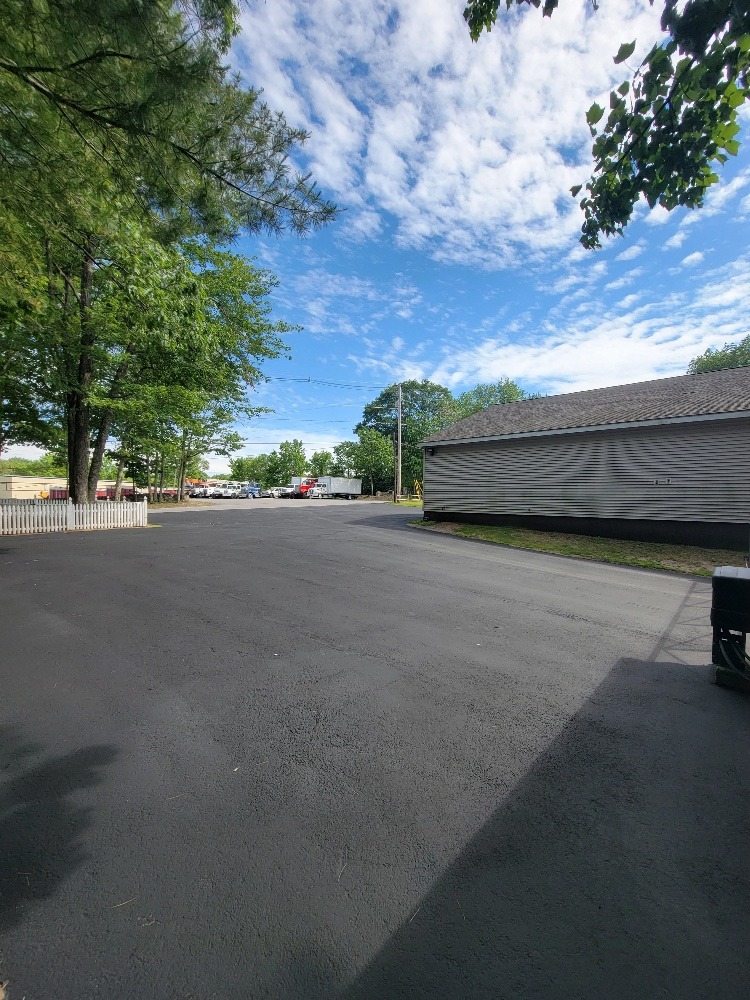
Good contractors explain what they're going to do and why. They should be able to answer questions about materials, timeline, and what to expect during and after the work.
Pine State Asphalt works with homeowners throughout Southern Maine to assess driveway conditions and recommend the most appropriate solution. Whether that means applying a protective sealcoat or starting fresh with new pavement, the goal is always to provide honest guidance based on the specific situation.
The Bottom Line
Sealcoating and repaving serve different purposes, and choosing between them comes down to the current condition of the asphalt. Sealcoating protects and extends the life of pavement that's still structurally sound. Repaving addresses deeper problems and provides a fresh start when the existing surface has reached the end of its useful life.
For Southern Maine homeowners, staying ahead of the freeze-thaw cycle through regular maintenance: including timely sealcoating: can significantly extend a driveway's lifespan. But when the damage has progressed too far, repaving becomes the smarter investment.
Not sure which option fits the current situation? Reaching out to a local paving professional for an honest assessment is the best first step. A quick evaluation now can prevent costly surprises down the road and help ensure that driveway stays in great shape for years to come.



"They were easy to work with and did a beautiful job sealing the driveway. So very happy we use them."


"Did my driveway. Very large, very steep driveway with some special features. Came out great. Very happy with the service. Nice people to work with too."

"You guys did an awesome job! The sealcoating looks great on my driveway and you can barely tell that the in-laws pothole was ever there. Thanks for the work!"



%201.png)


.jpg)
.jpg)
.png)
.png)