The secret to pavement longevity isn't the asphalt—it's what’s underneath. This guide explains how proper earthwork, including precision grading and milling, prevents drainage issues and structural failure, ensuring your investment stands up to Maine's toughest winters for decades.

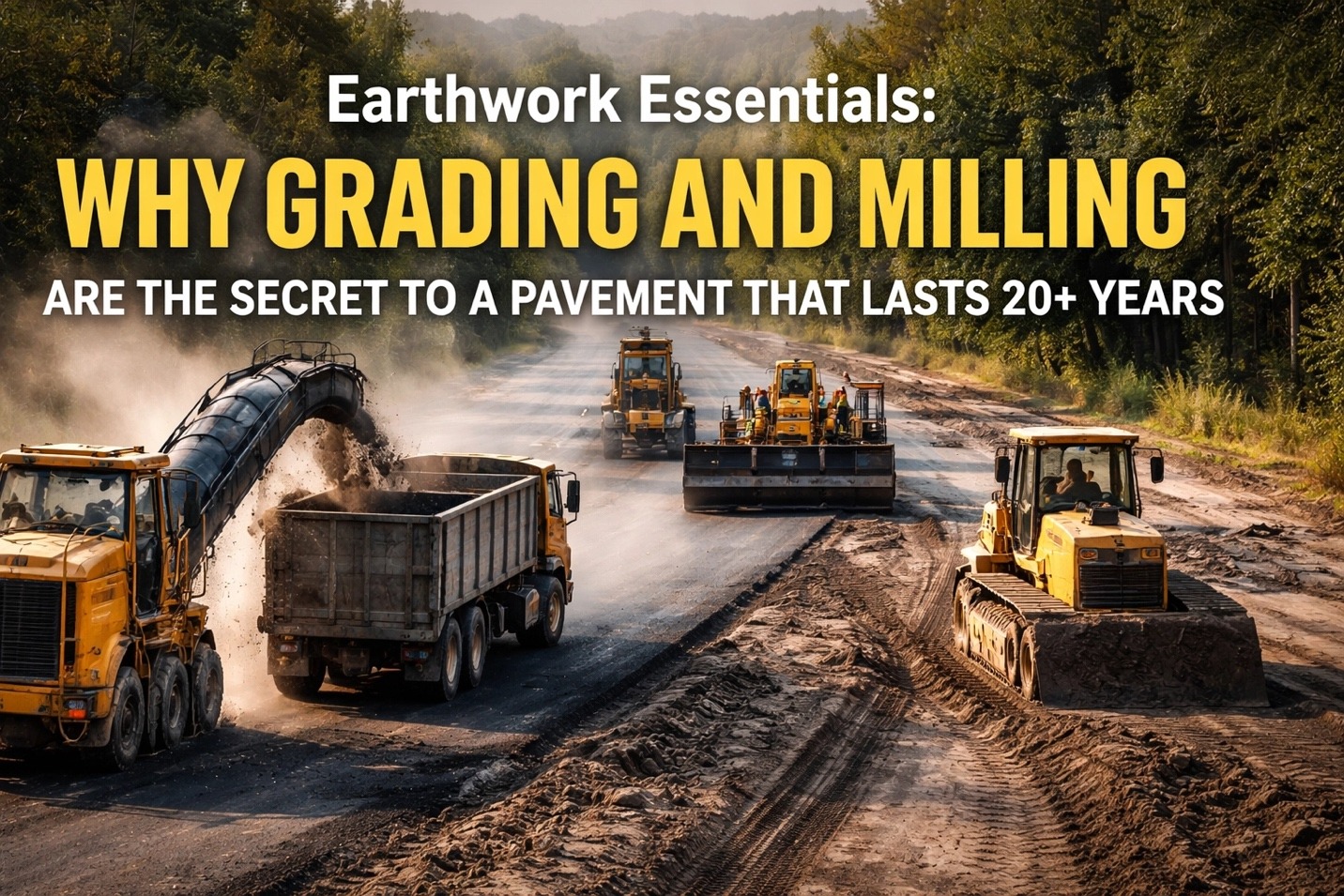
Here's a scenario that plays out way too often across Maine: A property owner invests in a brand-new asphalt driveway or parking lot, expecting it to look great and perform well for decades. Fast forward five years, and they're staring at cracks, potholes, and drainage problems that seem to have come out of nowhere.
What went wrong? In most cases, the answer lies beneath the surface, literally. The prep work, specifically grading and milling, either wasn't done properly or was skipped altogether.
When it comes to Maine paving projects that actually stand the test of time, the real magic happens before a single drop of hot mix hits the ground. Let's dig into why earthwork is the unsung hero of pavement longevity and what property owners should know before their next paving project.
The Foundation Problem Nobody Talks About
Think of asphalt like a cake. You can have the most beautiful frosting in the world, but if the layers underneath are a mess, the whole thing falls apart. The same principle applies to paving.
A surprising number of paving jobs focus almost entirely on the top layer: the smooth, black asphalt that everyone sees. But that top layer is only as good as what's underneath it. Without proper site preparation, even the highest-quality asphalt will fail prematurely.
This is where grading and milling come into play. These two processes might not be glamorous, but they're absolutely essential for any state paving project that's meant to last two decades or more.
What Is Grading (And Why Should You Care)?
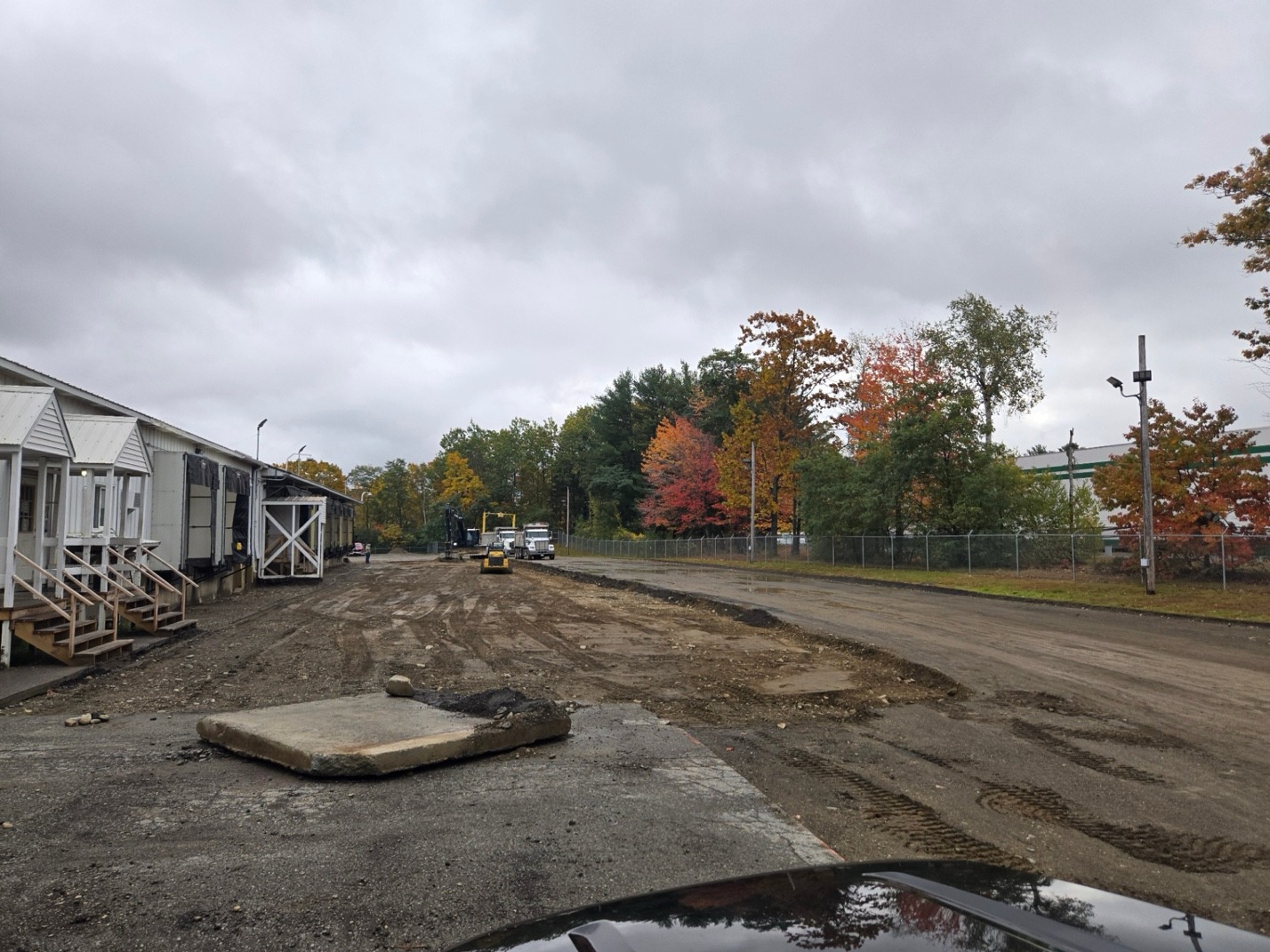
Grading is the process of leveling and shaping the ground before paving begins. It involves moving soil, removing debris, and creating the proper slope and contours for the finished surface.
Here's why grading matters so much for Maine paving projects:
Structural Stability
A well-graded base provides the structural foundation that asphalt needs to handle traffic and environmental stress. When the ground underneath is properly compacted and leveled, it creates a stable platform that distributes weight evenly across the surface.
Poor compaction? That leads to settling, which causes cracking and instability down the road. The base literally shifts under the weight of vehicles, and the asphalt above has no choice but to crack and break apart.
Drainage Protection
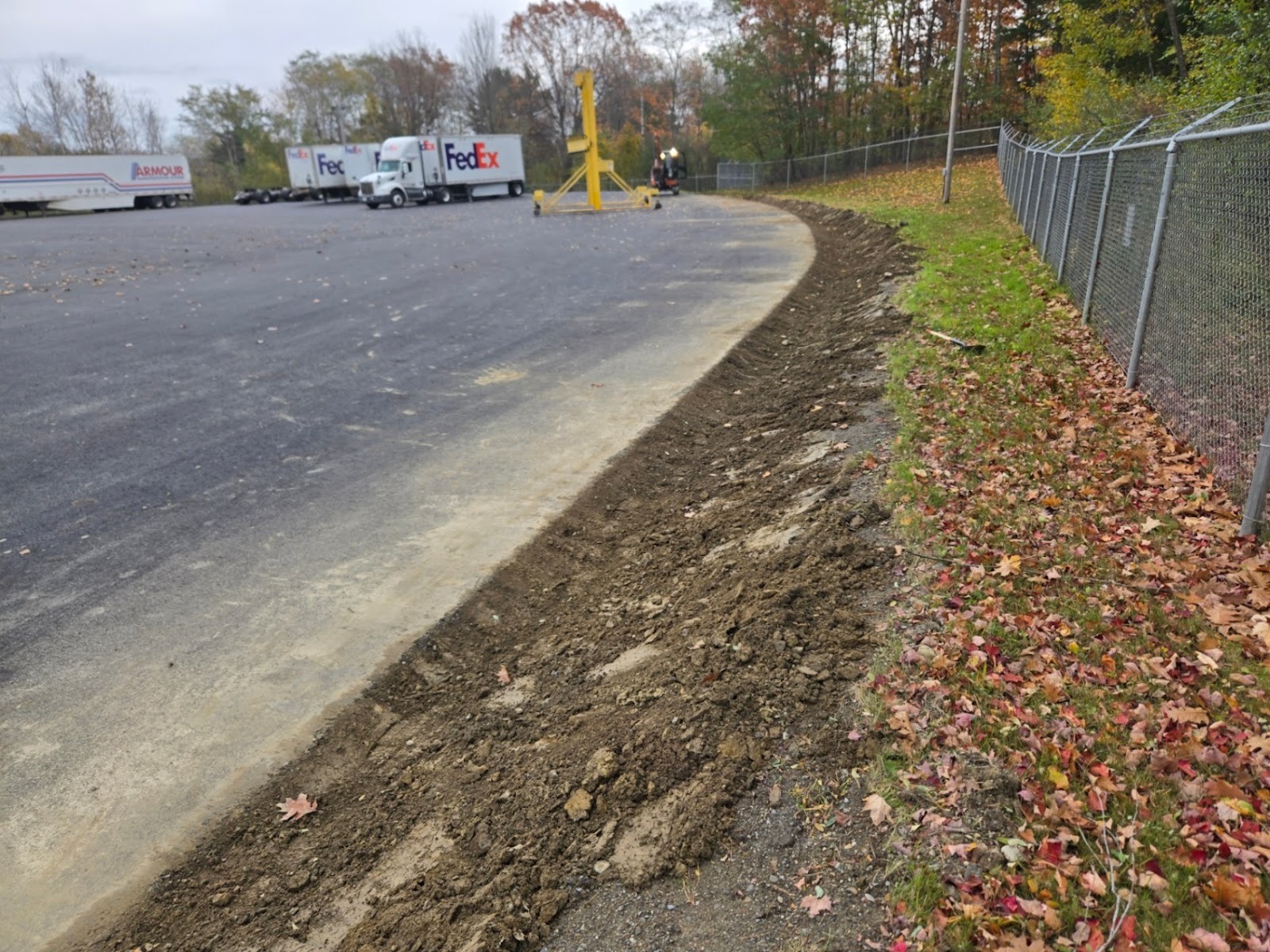
Water is asphalt's worst enemy: especially in Maine, where freeze-thaw cycles can turn small problems into big ones overnight. Proper grading ensures that water flows away from the pavement surface and into appropriate drainage systems.
When grading is done correctly, rainwater and snowmelt don't pool on the surface or seep into the foundation. When it's done poorly (or skipped), water collects in low spots, penetrates the base, and accelerates deterioration from the inside out.
Longevity From Day One
The benefits of proper grading compound over time. A stable, well-drained foundation means the asphalt above experiences less stress, less movement, and less water damage year after year. That's how pavement lasts 20+ years instead of failing at the 7-10 year mark.
Understanding Milling: The Smart Alternative to Starting From Scratch
While grading prepares new surfaces, milling is the process used when working with existing pavement. It involves removing the top layers of deteriorated asphalt while preserving the structural base underneath.
Why Milling Beats Simple Overlays
Some contractors take shortcuts by simply paving over existing damaged surfaces. While this might look fine initially, it creates a ticking time bomb. Those cracks and weak spots underneath don't disappear: they migrate upward through the new layer in a process called reflective cracking.
Milling eliminates this problem by removing the damaged material entirely. Research shows that the mill-and-fill approach can add approximately 25% more lifespan compared to a basic overlay. That's a significant difference when thinking about long-term pavement performance.
What Milling Addresses
Professional milling tackles several common pavement failures:
The Power Combo: When Grading and Milling Work Together
Here's where things get really interesting. When grading and milling are used together as part of a comprehensive approach, the longevity benefits multiply significantly.
Proper layering and preparation can dramatically extend pavement life. Studies show that adding just one inch of asphalt thickness can double the fatigue life of pavement. A three-inch surface expected to last 20 years might last 40 years with that extra inch: but only if the foundation work supports it.
Even more impressive: pavements with five to six inches of properly prepared and layered asphalt can achieve what's called "perpetual pavement" properties. Instead of cracking from the bottom up (which destroys the structure), they develop only surface-level issues that can be addressed with routine maintenance. These pavements can have structural lifespans of 50 years or more.
The takeaway? The earthwork phase isn't just preparation: it's an investment in decades of additional service life.
Signs Your Property Needs Proper Earthwork
How do you know if your next paving project requires serious attention to grading and milling? Here are some red flags that Pine State Asphalt recommends watching for:
For Existing Pavement:
For New Construction:
If any of these apply, cutting corners on earthwork is a recipe for expensive problems down the line.
Quality Control: The Details That Matter
Even with proper grading and milling, the execution details make a huge difference. Pine State Asphalt focuses on several quality control factors that determine whether pavement meets its full potential:
Compaction
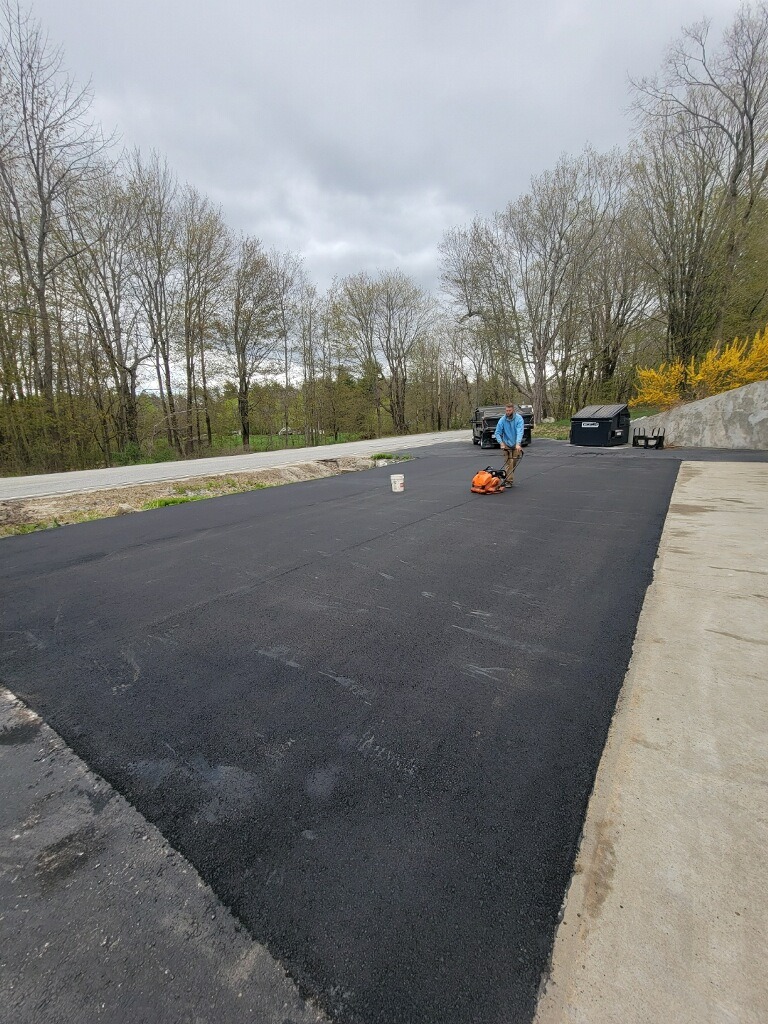
Every layer needs proper compaction to eliminate air pockets and create density. Insufficient compaction is one of the most common causes of premature pavement failure.
Temperature Control
Asphalt needs to be laid and compacted within specific temperature ranges. Too hot or too cold, and the material won't bond properly or achieve the right density.
Curing Time
Rushing the process leads to problems. Each layer needs appropriate time to cure before the next step begins.
Operator Precision
Modern milling and grading equipment is sophisticated, but it's only as good as the people operating it. Experienced operators understand how to read site conditions and make adjustments that protect pavement quality.
What This Means for Maine Property Owners
Maine's climate puts unique demands on pavement. The freeze-thaw cycles, heavy snow loads, and road salt create conditions that accelerate deterioration: unless the foundation work is done right from the start.
For residential driveways, this means ensuring proper drainage away from garages and homes. For commercial parking lots, it means accounting for heavy truck traffic and planning for water management across larger surfaces. For municipalities and HOAs, it means thinking about long-term maintenance costs, not just initial installation.
The contractors who understand Maine paving challenges know that earthwork isn't optional: it's essential. Skipping or shortcutting the grading and milling phases might save time initially, but it costs property owners significantly more in repairs, replacements, and headaches over the life of the pavement.
Choosing the Right Approach for Your Project
Every paving project is different. Some need full grading from scratch. Others need milling to address specific problem areas. Many need a combination of both.
The key is working with a contractor who evaluates the site conditions honestly and recommends the appropriate level of preparation: not one who rushes to lay asphalt without addressing what's underneath.
Pine State Asphalt's earthworks services include comprehensive site evaluation, professional grading, and precision milling to ensure every project starts with the foundation it needs to succeed.
The Bottom Line on Lasting Pavement
Twenty-plus years of pavement life isn't luck: it's the result of doing the invisible work correctly. Grading creates stability and drainage. Milling removes problems instead of burying them. Together, they give asphalt the foundation it needs to perform for decades instead of years.
For property owners across Maine considering their next paving project, the question isn't whether to invest in proper earthwork: it's whether they can afford not to. The pavement that lasts is the pavement that's built right from the ground up.
Ready to discuss your project? Contact Pine State Asphalt to learn how proper preparation can make all the difference for your driveway, parking lot, or commercial property.



"They were easy to work with and did a beautiful job sealing the driveway. So very happy we use them."


"Did my driveway. Very large, very steep driveway with some special features. Came out great. Very happy with the service. Nice people to work with too."

"You guys did an awesome job! The sealcoating looks great on my driveway and you can barely tell that the in-laws pothole was ever there. Thanks for the work!"



%201.png)


.jpg)
.jpg)
.png)
.png)