Maine winters present serious challenges for commercial parking lots, with freeze-thaw cycles, heavy snow, and ice causing expensive damage if not properly managed. This comprehensive guide covers essential winter maintenance strategies including pre-winter preparation, strategic snow removal, proper de-icing techniques, and safety considerations. Proactive winter care makes the difference between minor spring touch-ups and major reconstruction projects for Portland area businesses.

Maine winters are legendary for their harsh conditions, and Portland business owners know all too well how brutal weather can wreak havoc on commercial parking lots. Between the freeze-thaw cycles, heavy snow loads, and the constant battle with ice, your asphalt surfaces face serious challenges that can lead to expensive repairs if not properly managed.
Effective parking lot maintenance during winter months isn't just about keeping your business accessible: it's about protecting your investment and ensuring customer safety. Pine State Asphalt has seen countless properties where proactive winter care made the difference between minor touch-ups and major reconstruction projects come spring.
Pre-Winter Preparation: Setting Your Lot Up for Success
The most successful winter maintenance begins long before the first snowflake falls. October and early November present the ideal window for preparing commercial parking lots throughout the Portland area.
Thorough Inspection and Assessment
A comprehensive pre-winter inspection reveals potential trouble spots that could become major problems under winter stress. Look for existing cracks, areas where water pools after rain, and sections where the asphalt appears worn or damaged. These vulnerabilities will only worsen when subjected to repeated freezing and thawing cycles.
Pay particular attention to the edges of your parking lot where asphalt meets landscaping or sidewalks. These transition areas often show the first signs of winter damage because they're exposed to more water infiltration and have less structural support.
Crack Sealing: Your First Line of Defense
Any cracks wider than a quarter-inch should be professionally sealed before winter arrives. Water that seeps into cracks and then freezes will expand, turning minor surface issues into significant structural problems. Professional crack sealing creates a waterproof barrier that prevents this destructive cycle from beginning.
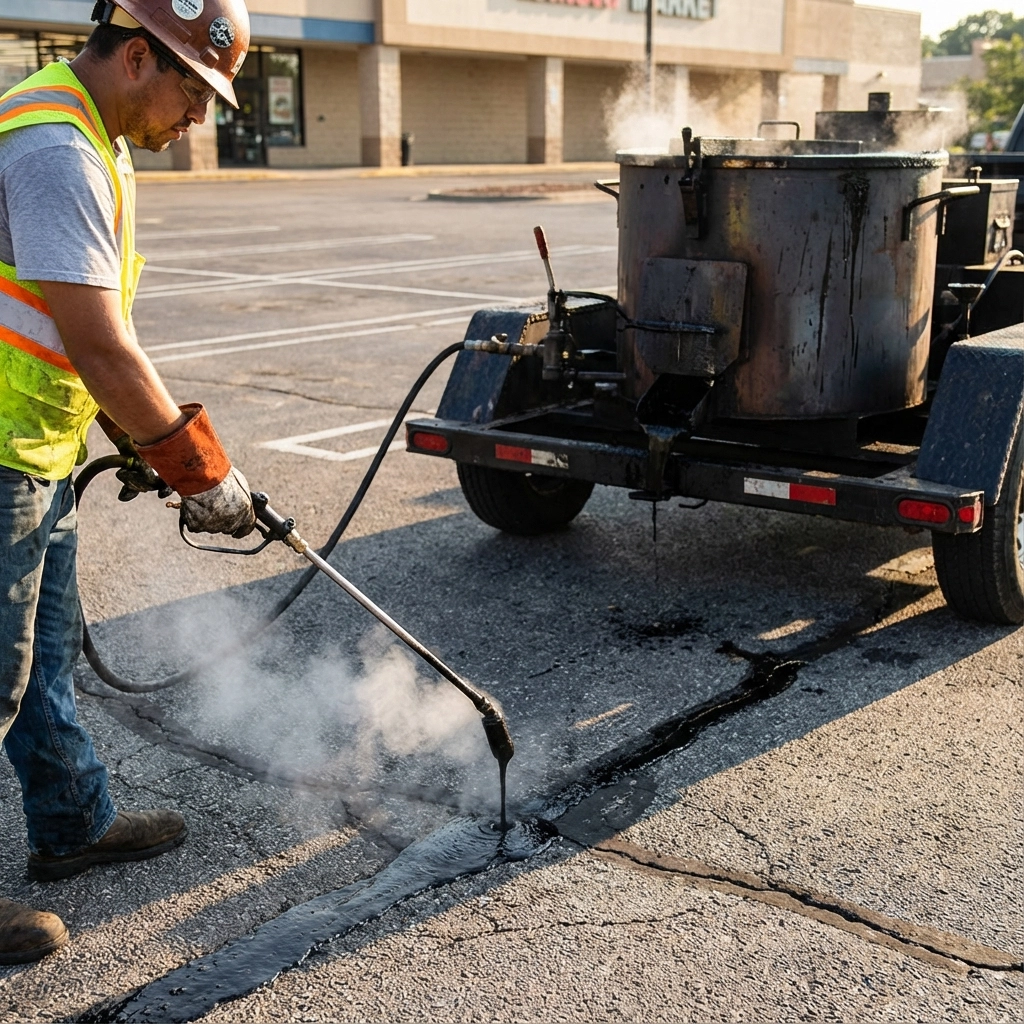
Small hairline cracks might seem insignificant, but Maine's freeze-thaw patterns can rapidly transform them into major repair issues. Quality crack sealing performed in fall provides months of protection against winter's worst effects.
Drainage System Maintenance
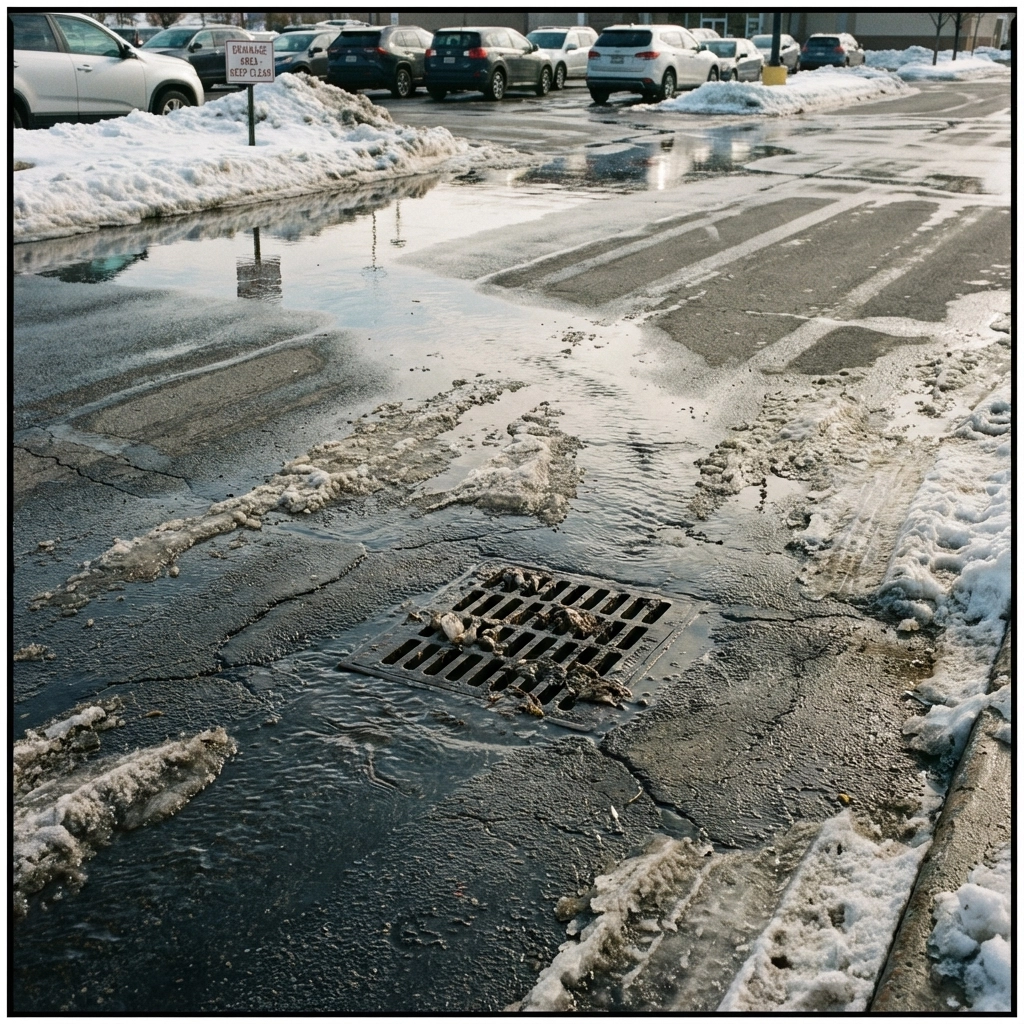
Proper drainage becomes critical during winter months when melting snow creates substantial water volume that must be channeled away from your asphalt surfaces. Clear all catch basins, storm drains, and drainage channels of leaves, debris, and sediment that accumulated during fall.
Check that water flows freely toward designated drainage areas rather than pooling on the asphalt surface. Standing water creates ice hazards for pedestrians and vehicles while also contributing to freeze-thaw damage in the underlying pavement structure.
Strategic Snow Removal Planning
Effective snow removal requires more than just clearing paths for vehicles: it demands a systematic approach that protects your asphalt while maintaining safe access.
Equipment Selection and Preparation
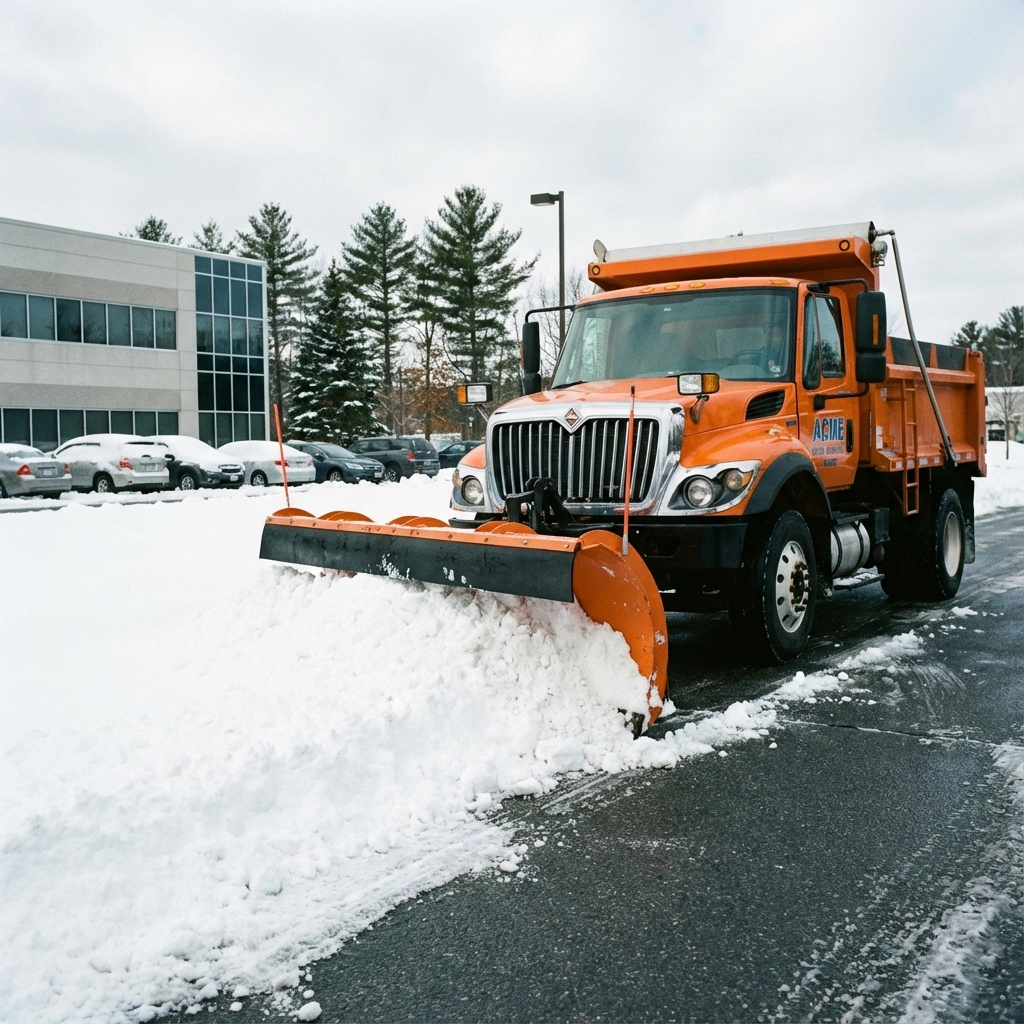
Snow plows and other removal equipment can cause significant damage to asphalt surfaces if not properly configured. Rubber cutting edges or poly blades provide effective snow removal while reducing the risk of gouging or scraping the pavement surface.
Establish clear protocols for your snow removal team regarding plow heights, pushing directions, and areas where extra caution is required. Parking lot layouts vary significantly, and experienced paving contractors portland maine recommend creating a detailed removal plan that accounts for your specific property configuration.
Snow Placement Strategy
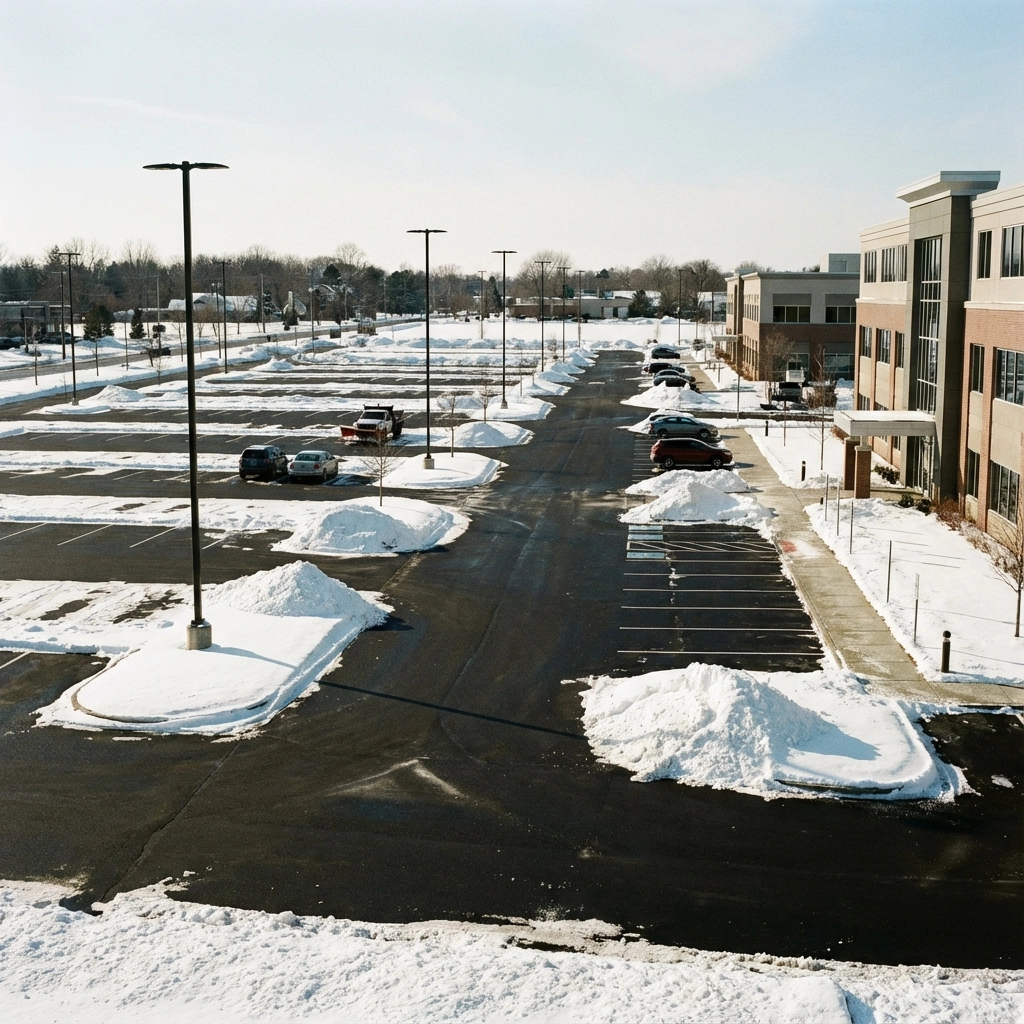
Where you pile removed snow matters more than many business owners realize. Avoid creating large snow piles directly on asphalt surfaces, as the concentrated weight can cause cracking or settling issues. Instead, designate landscaped areas or reinforced sections for snow storage.
Consider how melting snow will drain from your chosen storage areas. Snow piles that melt directly onto asphalt surfaces can create persistent wet conditions that contribute to freeze-thaw damage and ice formation.
De-icing: Balancing Safety and Surface Protection
Keeping parking lots safe during icy conditions requires careful selection and application of de-icing materials. The wrong approach can provide immediate safety benefits while causing long-term damage to your asphalt investment.
Material Selection Considerations
Rock salt remains the most common de-icing material, but it's not always the best choice for asphalt surfaces. While effective at melting ice, rock salt can be abrasive and may contribute to surface deterioration over time.
Sand provides traction without the chemical effects of salt, but it requires thorough cleanup once winter ends to prevent drainage system clogs and surface staining. Some businesses find success with calcium chloride or magnesium chloride products that work effectively at lower temperatures while being less harsh on asphalt surfaces.
Application Techniques
Even distribution of de-icing materials prevents over-concentration in specific areas while ensuring comprehensive coverage. Hand-operated or vehicle-mounted spreaders provide better control than manual scattering, resulting in more efficient material use and more consistent results.
Apply de-icing materials before ice formation when possible, as preventive treatment requires less material and provides better results than trying to melt existing ice layers.
Managing Drainage and Water Issues
Winter presents unique drainage challenges as melting snow creates large volumes of water that must be effectively channeled away from asphalt surfaces.
Preventing Ice Dams
Ice dams form when melting snow refreezes at drainage points, creating barriers that cause water to back up onto parking lot surfaces. Regular removal of ice and snow from catch basins and drainage channels prevents these blockages from developing.
Pay attention to areas where your parking lot meets buildings or other structures, as these locations often experience accelerated melting that can overwhelm drainage systems if ice dams form.
Addressing Persistent Wet Areas
Some sections of parking lots remain wet longer than others due to poor drainage, low spots, or inadequate slope. These areas are particularly susceptible to freeze-thaw damage and require extra attention during winter months.
Consider whether these problem areas need structural improvements to their drainage characteristics. Sometimes simple solutions like additional catch basins or slight grade adjustments can eliminate persistent moisture problems.
Winter Crack Monitoring and Emergency Repairs
Even well-maintained parking lots can develop new cracks during harsh winter conditions. Early identification and prompt attention prevent minor issues from becoming major problems.
Regular Inspection Schedule
Monthly visual inspections during winter months help identify new damage before it becomes extensive. Look for fresh cracks, areas where existing cracks have expanded, and sections where the asphalt surface appears to be shifting or settling.
Document problem areas with photos and notes about their size and location. This information proves valuable when planning spring maintenance activities and helps track how specific areas of your parking lot respond to winter conditions.
Temporary Protection Measures
While permanent repairs typically wait for warmer weather, temporary protective measures can prevent further damage to newly developed cracks. Cold-weather crack sealers provide short-term protection, though they're not as durable as warm-weather applications.
For significant new cracks or areas where asphalt has shifted, consider temporary barriers or warning signs to prevent vehicle damage while protecting pedestrian safety.
Safety Considerations for Winter Lot Management
Maintaining safe conditions in your parking lot during winter requires ongoing attention to both obvious hazards and subtle danger areas.
Pedestrian Safety Zones
Areas where customers and employees walk require different treatment than vehicle traffic zones. Walkways need more frequent de-icing and may benefit from materials that provide better traction even when wet.
Consider the placement of snow piles relative to pedestrian sight lines and walking paths. Poorly located snow storage can create blind spots that increase accident risks.
Lighting and Visibility
Shorter daylight hours and snow-covered surfaces can significantly reduce visibility in parking areas. Ensure that lighting systems remain clear of snow and ice buildup, and consider whether additional temporary lighting might improve safety during particularly harsh periods.
Keep parking lot striping and directional markings as visible as possible by promptly removing snow from painted surfaces and using temporary markers if permanent ones become obscured.
Post-Winter Assessment and Spring Preparation
As winter conditions begin to moderate, thorough assessment of your parking lot's condition sets the stage for effective spring maintenance planning.
Comprehensive Damage Documentation
Walk your entire parking lot systematically, documenting all winter damage including new cracks, areas of surface deterioration, drainage problems that became apparent during melting periods, and any settling or shifting issues.
Compare your findings to pre-winter inspection notes to understand which areas of your lot proved most vulnerable to winter conditions. This information guides both immediate repair priorities and long-term maintenance planning.
Planning Spring Maintenance Activities
Spring represents the optimal time for many parking lot maintenance activities that winter conditions prevented. Crack sealing, patching, and surface treatments are most effective when performed during moderate temperatures and dry conditions.
Work with experienced maine paving professionals to prioritize repairs based on both safety concerns and the potential for further deterioration if left unaddressed. Some damage requires immediate attention, while other issues can be scheduled as part of regular maintenance cycles.
Winter parking lot maintenance requires a proactive approach that begins with proper fall preparation and continues through careful monitoring and prompt attention to emerging problems. Business owners who invest in comprehensive winter care typically find that their parking lots require fewer major repairs and provide safer, more professional environments for customers and employees.
Pine State Asphalt understands the unique challenges that Maine winters present to commercial parking lots. Our team provides comprehensive maintenance services designed to protect your asphalt investment while ensuring safe access throughout the harshest weather conditions. Contact Pine State Asphalt today for a thorough assessment of your parking lot's winter readiness and to develop a customized maintenance plan that keeps your business accessible and professional-looking year-round.



"They were easy to work with and did a beautiful job sealing the driveway. So very happy we use them."


"Did my driveway. Very large, very steep driveway with some special features. Came out great. Very happy with the service. Nice people to work with too."

"You guys did an awesome job! The sealcoating looks great on my driveway and you can barely tell that the in-laws pothole was ever there. Thanks for the work!"



%201.png)


.jpg)
.jpg)
.png)
.png)