Most asphalt driveways in Southern Maine fail prematurely due to poor sub-base preparation, inadequate drainage, and neglected maintenance—not just harsh weather. This comprehensive guide reveals the critical installation techniques and maintenance practices that can extend your driveway's lifespan to 20-30 years, even in Maine's challenging freeze-thaw environment. Learn why your sub-base matters more than the asphalt itself, how proper crowning prevents water damage, and the essential maintenance timeline that protects your investment.

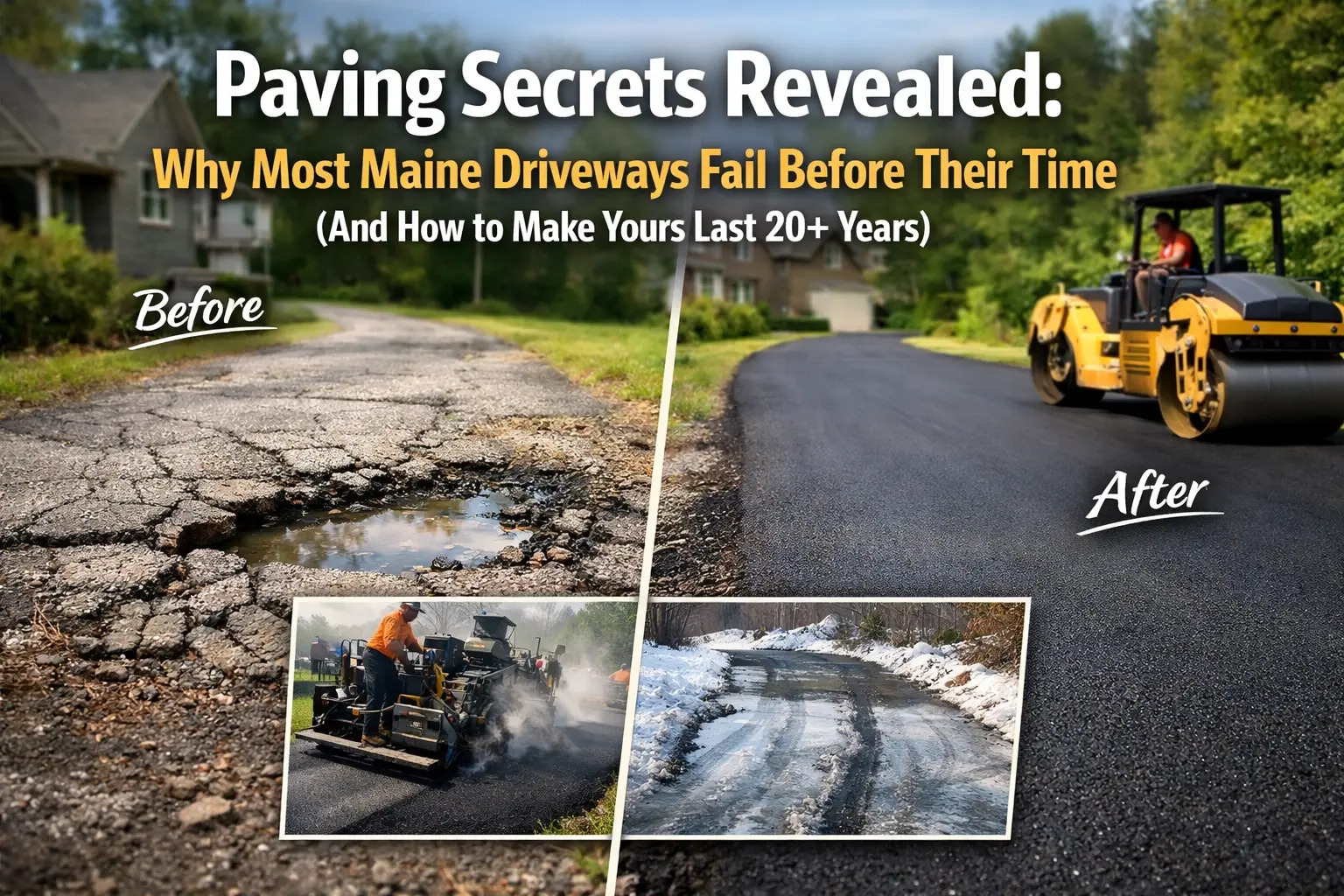
For many homeowners in Southern Maine, a driveway is one of those things you don't think about until something goes wrong. You pull into your garage at the end of a long day, and suddenly, you notice a spiderweb of cracks near the apron, or perhaps a dip where a puddle has decided to make a permanent home.
In a perfect world, a professionally installed asphalt driveway should last anywhere from 20 to 30 years. Yet, across Greater Portland and the surrounding coastal towns, Pine State Asphalt often sees driveways that are barely ten years old and already showing signs of terminal failure. Why the discrepancy?
The truth is that Maine is one of the most "aggressive" environments in the country for asphalt. Between the coastal salt air, the dramatic freeze-thaw cycles of spring, and the heavy equipment used for snow removal, our driveways take a beating. However, "it’s just the weather" is usually an incomplete excuse. Most premature failures come down to choices made during the installation phase or neglect in the first few years of the driveway’s life.
If you take only one thing away from this guide, let it be this: the asphalt you see on top is only a "wearing course." The real strength of your driveway lies in the invisible layers beneath it.
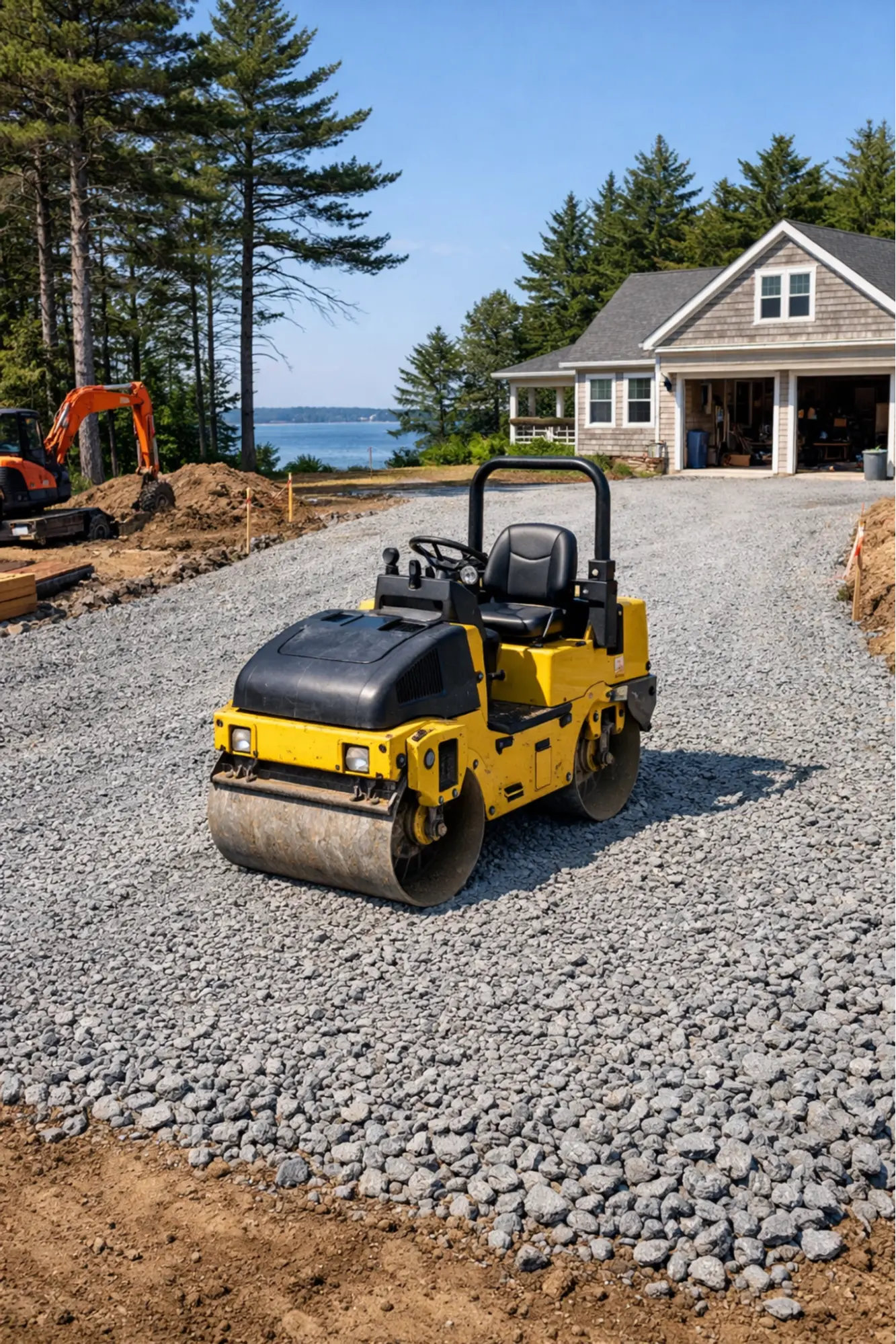
Pine State Asphalt frequently encounters driveways that failed because the contractor skimped on the sub-base. In the world of Portland Maine driveway paving, the soil composition can vary wildly. One property might sit on sandy, well-draining soil, while the neighbor down the street is dealing with heavy Maine clay.
If asphalt is poured over a soft or poorly compacted base, it won't matter how high-quality the asphalt mix is. As soon as a heavy oil delivery truck or a loaded dumpster rolls over it, the base will shift. When the base shifts, the asphalt: which is flexible but has its limits: will crack. To ensure a 20-year lifespan, the sub-base must be excavated to the proper depth, filled with the right grade of crushed stone, and compacted with heavy machinery until it is rock-solid.
Water is the absolute nemesis of asphalt. When water is allowed to sit on the surface or, worse, seep into the base material, the lifespan of the driveway is cut in half.
The secret to a long-lasting driveway is proper "crowning." A well-engineered driveway should have a slight center peak: typically a 4% to 6% slope: that encourages water to run off toward the edges rather than pooling in the middle. If a driveway is perfectly flat, it is effectively a pond waiting to happen.
In Maine, drainage issues are magnified during "mud season." When snow melts, that water needs a place to go. If your driveway doesn't have clear ditches or functional culverts, that water will back up and saturate the roadbed. Once the roadbed is saturated, it loses its structural integrity, leading to the dreaded "alligator cracking" that signals a total base failure. Pine State Asphalt recommends checking your culverts every spring to ensure they aren't blocked by leaves or debris, as a single afternoon of standing water can do more damage than a year of driving.
We can't talk about Maine paving without talking about the frost. Our ground freezes deep in the winter and thaws from the top down in the spring. This creates a "frost heave" effect.
When water gets trapped under the asphalt and freezes, it expands. This expansion pushes the asphalt upward. When the ice melts, a void is left behind. The next time a car drives over that spot, the asphalt collapses into the void, creating a pothole.
The only way to fight this is through high-quality material selection and proper thickness. For a residential driveway, Pine State Asphalt typically recommends a minimum of two to three inches of compacted asphalt. Anything thinner is simply too brittle to survive the upward pressure of a Maine winter.
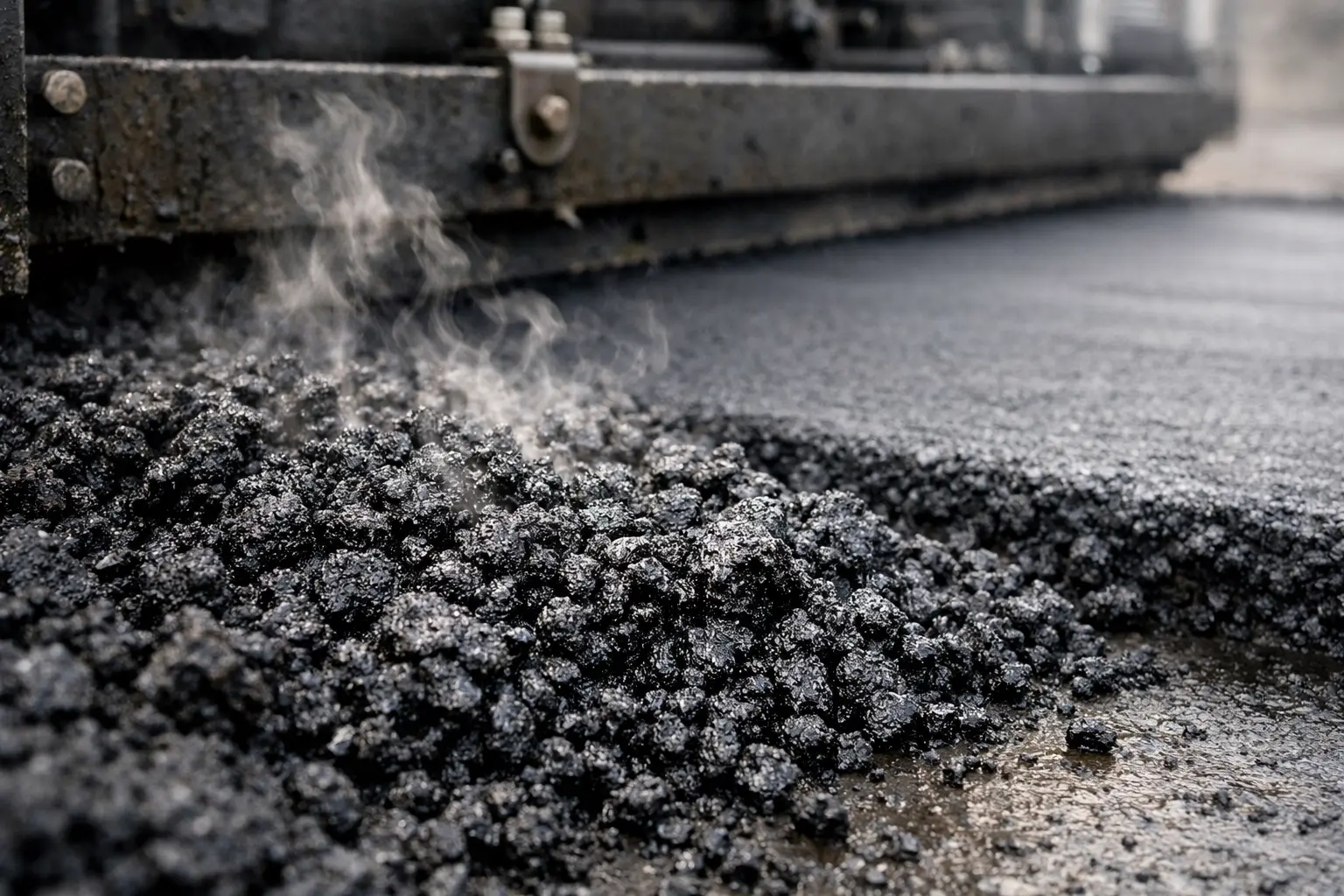
To the untrained eye, all asphalt looks like black goo. In reality, the "mix design" matters immensely. Asphalt is a mixture of stone, sand, and liquid asphalt cement (the glue).
In New England, we use specific mixes designed to handle temperature extremes. Some "budget" contractors might use a mix with too much recycled content or a lower grade of binding agent. While it looks great on day one, it will oxidize (turn grey and brittle) much faster. High-quality asphalt remains flexible for longer, allowing it to "give" slightly during the winter months without snapping.
There is a lot of misinformation regarding sealcoating. Some people think you should seal a driveway every single year; others think it’s a waste of money.
Pine State Asphalt views sealcoating as a vital part of a 20-year plan, but only when done correctly. Think of sealcoating like sunblock for your driveway. It protects the asphalt from UV rays, which dry out the oils and make the surface brittle. It also provides a barrier against oil and gas spills, which can actually dissolve the "glue" in the asphalt.
However, you should never seal a brand-new driveway immediately. New asphalt needs time to "cure" and release its initial oils: usually 6 to 12 months. Once it has cured, a high-quality sealcoat applied every 3 to 5 years can significantly extend its life. If you do it too often, you’ll end up with a thick, scaly layer of sealer that eventually peels and looks worse than the original asphalt.
For more details on protecting your investment through the seasons, you might find our guide on winterizing your driveway helpful.
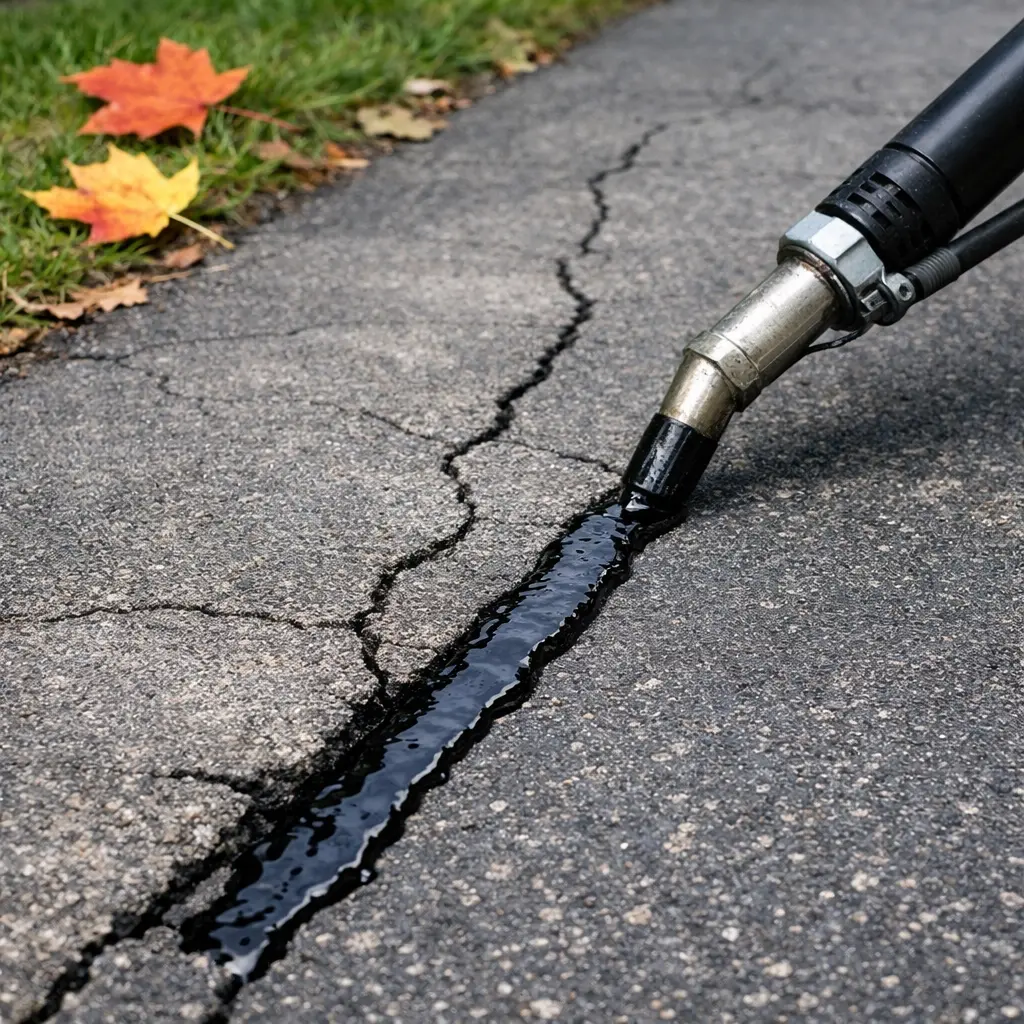
If you see a crack, fill it. It sounds simple, but many homeowners wait until the crack is an inch wide before taking action.
A small crack is an open door for water to reach the sub-base. Once water gets under the asphalt, the clock starts ticking on a pothole. Using a professional-grade hot-rubberized crack filler is one of the most cost-effective ways to push your driveway’s lifespan past the two-decade mark. It keeps the foundation dry and prevents the edges of the asphalt from crumbling.
Unfortunately, the paving industry in Maine is occasionally visited by "traveling" pavers: crews that knock on doors claiming they have "extra asphalt left over from a state job."
Pine State Asphalt wants homeowners to know that reputable Maine paving companies rarely have "extra" asphalt just sitting in a truck. Asphalt must be kept at a specific temperature to be laid correctly. By the time a crew finishes a job and drives around looking for more work, that "leftover" mix is likely too cold to compact properly.
Furthermore, these operations often skip the crucial base preparation steps mentioned earlier. They might offer a lower price, but if the driveway fails in three years and the company is nowhere to be found, the "deal" ends up costing much more in the long run. Always look for a local contractor with a physical address and a history in the community. You can see examples of professionally executed projects on our Our Work page to understand the standard you should expect.
To wrap things up, here is the Pine State Asphalt "Secret Sauce" for a driveway that stands the test of time:
A driveway is a significant investment in your home’s value and "curb appeal." While the Maine climate is tough, it isn't an impossible hurdle. By focusing on the fundamentals of drainage and base preparation, and staying on top of minor maintenance, you can ensure your property stays looking sharp for decades to come.
If you're noticing signs of wear or are planning a new project for your property in the Portland area, don't wait for a small issue to become a total replacement. For more information on how we handle residential projects, visit our Residential Paving page.
Ready to get started on a driveway that’s built to last? Pine State Asphalt is here to help you do it right the first time. Contact us today for a free consultation and estimate.



"They were easy to work with and did a beautiful job sealing the driveway. So very happy we use them."


"Did my driveway. Very large, very steep driveway with some special features. Came out great. Very happy with the service. Nice people to work with too."

"You guys did an awesome job! The sealcoating looks great on my driveway and you can barely tell that the in-laws pothole was ever there. Thanks for the work!"


%201.png)

.jpg)
.png)
.png)