Maine's harsh freeze-thaw cycles, UV exposure, and road salt put extraordinary stress on asphalt driveways, but a proactive sealcoating schedule can double their functional lifespan. By applying a fresh sealcoat every two to three years, homeowners in Portland create a sacrificial waterproof barrier that shields the structural asphalt from oxidation, chemical corrosion, and water infiltration. Combined with professional crack sealing before each application, this maintenance strategy is the most cost-effective way to protect your driveway investment and avoid premature repaving.

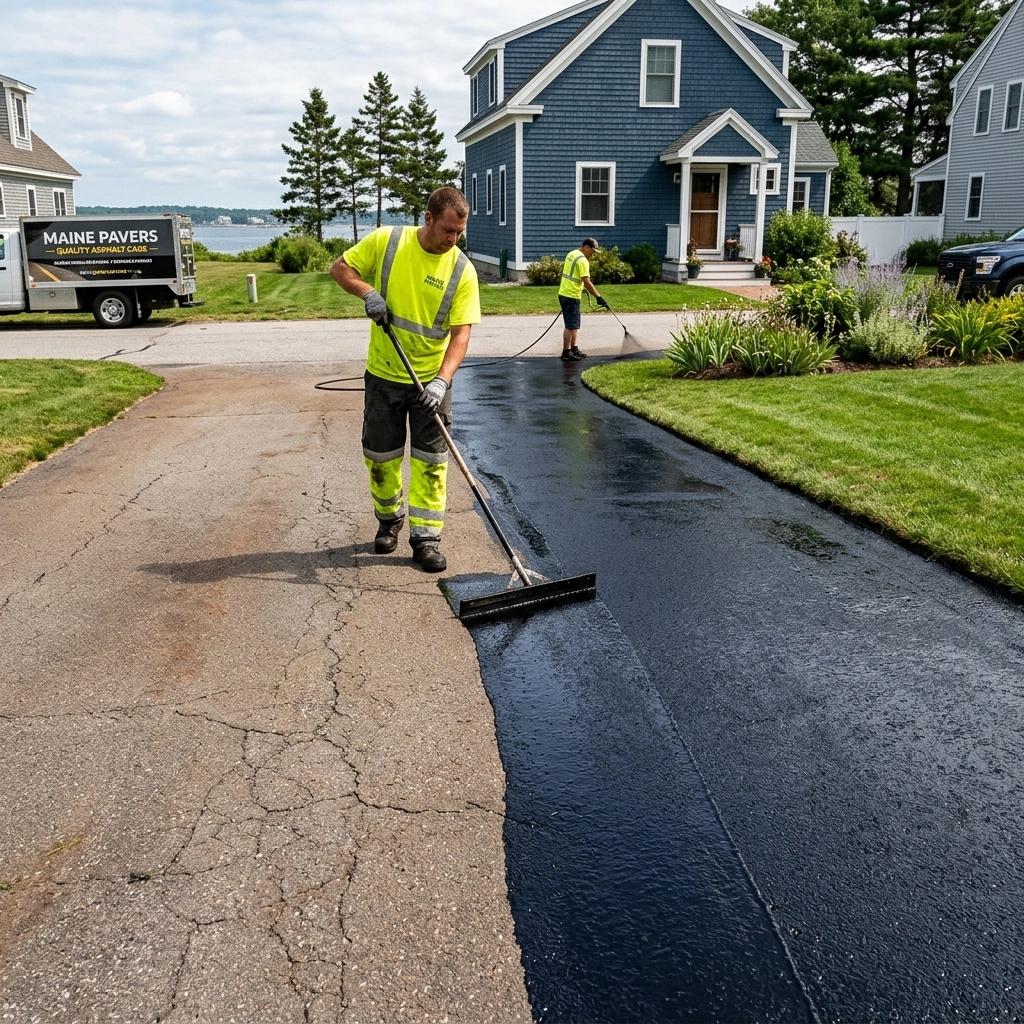
As the final snowbanks melt away and the Maine spring finally settles in, many homeowners in Portland and the surrounding areas are taking a long, hard look at their driveways. The transition from winter to spring is often the most revealing time for asphalt. After months of heavy snow, ice, and constant temperature fluctuations, the surface beneath your tires might look a little worse for wear.
For many, the first instinct when seeing a grey, cracked, or pitted driveway is to assume it needs a total replacement. However, one of the best-kept secrets in the industry is that a proactive maintenance schedule: specifically centered around high-quality sealcoating: can actually double the functional life of your pavement. Pine State Asphalt has seen firsthand how a consistent sealcoating strategy saves property owners from the massive headache of premature excavation and repaving.
To understand why sealcoating is so effective, it is important to first understand what is happening to the driveways in the Pine Tree State. Maine’s climate is particularly brutal on asphalt. The primary culprit is the freeze-thaw cycle. Because asphalt is a porous material, small amounts of water can seep into the surface. When that water freezes, it expands, putting immense pressure on the internal structure of the pavement.
In Portland, this doesn't just happen once a year; it happens dozens of times as temperatures oscillate above and below freezing throughout March and April. Without a protective barrier, these micro-cracks eventually turn into potholes and structural failures. This is where sealcoating steps in as a critical line of defense. By sealing those pores, it prevents water from finding a home inside your driveway in the first place.
Think of sealcoating as a high-performance sunscreen and raincoat for your driveway combined into one. It is a liquid mixture composed of bitumen (asphalt cement) or coal tar pitch, mixed with water, mineral fillers, and various additives. When applied to a clean asphalt surface, it creates a thin, waterproof layer that bonds to the top of the pavement.
Pine State Asphalt recommends thinking of this layer as "sacrificial." Over the course of two or three years, the sun’s UV rays, the friction of tires, and the chemicals from winter road salt will wear down this coating. Because the sealcoat takes the brunt of the damage, the structural asphalt underneath remains flexible, dark, and intact.
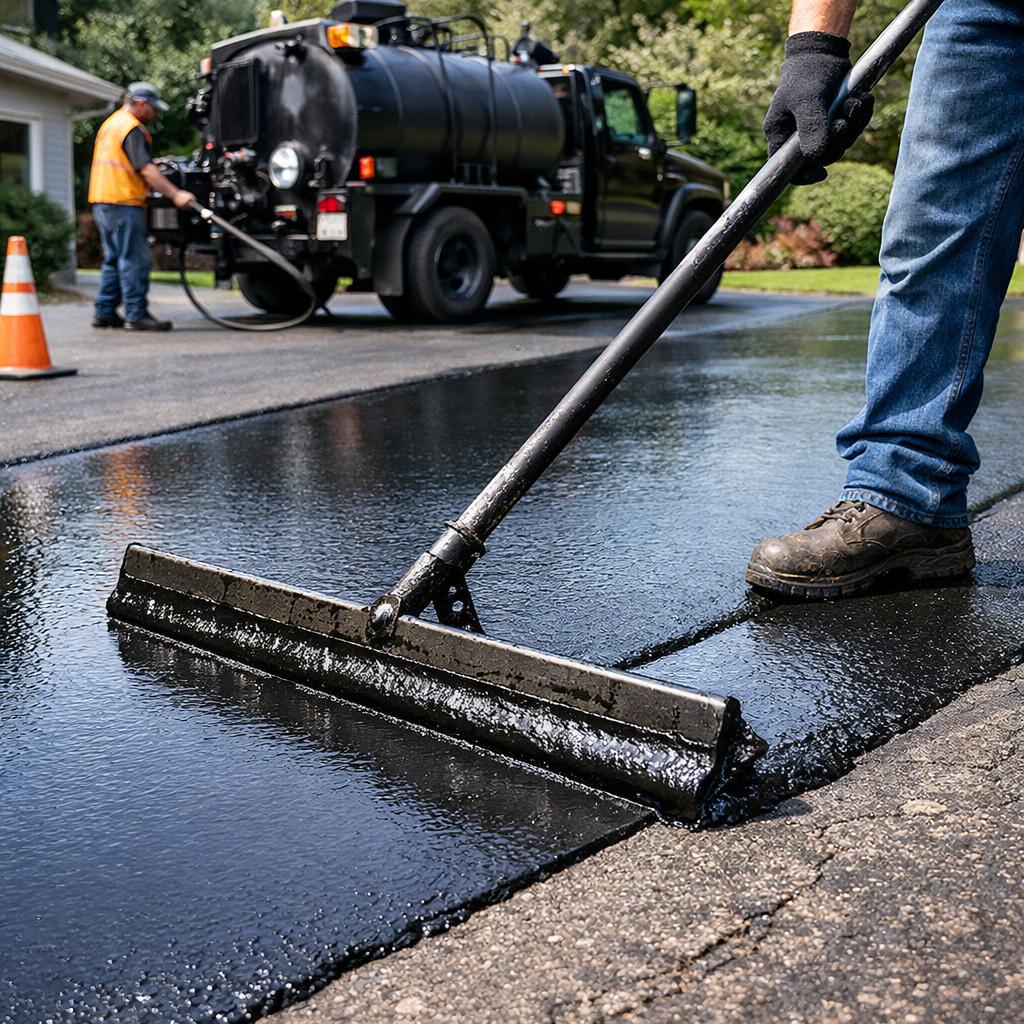
One of the most common mistakes homeowners make is waiting until the driveway looks completely disintegrated before calling a professional. The "secret" to doubling the life of your driveway isn't just sealcoating once; it is sealcoating at the right intervals.
Generally, most residential driveways in Maine should be sealcoated every two to three years. This frequency ensures that as soon as the previous layer begins to thin and lose its protective qualities, a new layer is applied to reinforce the barrier. If you wait five or six years, the asphalt may have already become brittle from oxidation. Once asphalt loses its oils and becomes "dry" or grey, it loses its ability to flex under the weight of vehicles, leading to the dreaded "alligator cracking" that usually signals the end of a driveway’s life.
While we often focus on the winter damage in Maine, the summer sun is a silent killer of asphalt. Asphalt is naturally black because it is rich in bitumen, a petroleum-based binder. UV rays from the sun cause a chemical reaction called oxidation, which breaks down the chemical bonds in the bitumen.
As the binder breaks down, the small rocks and sand that make up the asphalt begin to loosen and wash away. This process is called raveling. If you’ve ever noticed small piles of loose stones at the end of your driveway after a rainstorm, that is a sign of oxidation. Sealcoating acts as a UV block, keeping the essential oils locked inside the asphalt so it stays supple and black for decades rather than years.
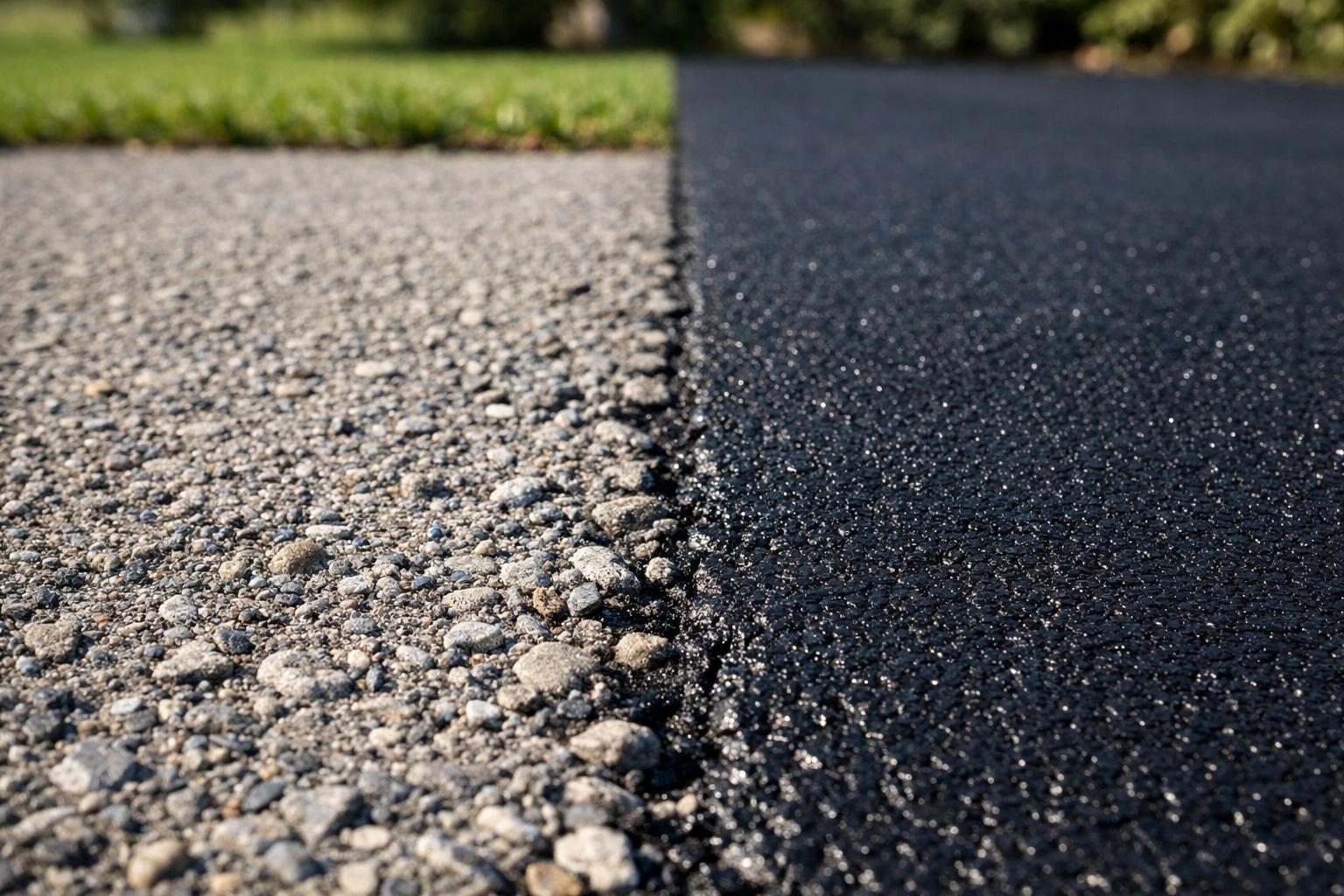
In Portland, we don't just deal with snow; we deal with the chemicals used to fight it. Road salt, brine, and de-icing fluids are incredibly corrosive. Furthermore, vehicles often leak small amounts of oil or gasoline. Because asphalt is a petroleum product, gasoline and oil will actually dissolve the binder on contact.
A high-quality sealcoat is resistant to these chemicals. It provides a non-porous surface that allows oils and salts to sit on top of the coating rather than soaking in. This makes it much easier to wash your driveway in the spring, ensuring that the winter's corrosive leftovers don't spend the summer eating away at your investment. For those interested in deeper winter prep, checking out resources on winterizing your driveway can provide a comprehensive roadmap for the off-season.
You cannot talk about sealcoating without mentioning crack sealing. In fact, applying sealer over an open crack is like painting over a hole in a wall: it doesn't fix the underlying problem. A professional sealcoating job should always begin with a thorough cleaning and the application of a hot-rubberized crack sealant.
Crack sealing involves filling deep fissures with a flexible, rubber-like material that can expand and contract with the Maine seasons. By sealing these "wounds" before the main coating is applied, Pine State Asphalt ensures that the most vulnerable parts of the driveway are reinforced. This dual-action approach is what truly extends the lifespan of residential paving projects across the region.
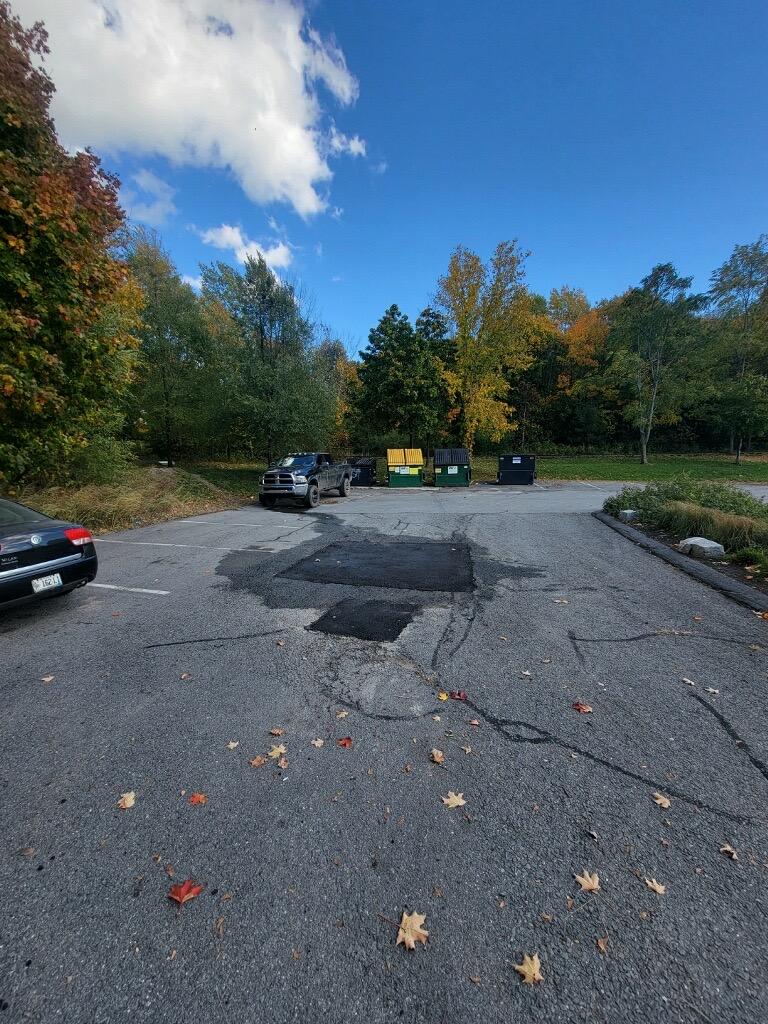
Another "secret" to a successful sealcoating job is the timing. Asphalt emulsion sealers are water-based. For the sealer to cure properly and form a hard, durable shell, the water needs to evaporate. This process is highly dependent on the ambient temperature and the temperature of the pavement itself.
Pine State Asphalt strictly adheres to the "50-degree rule." The temperature must be at least 50 degrees Fahrenheit and rising for the application to be successful. In Portland, this usually means the sealcoating season doesn't truly begin until late May and typically wraps up by early October. If a sealer is applied when it is too cold, it won't bond properly to the asphalt and will likely peel off during the first snowplowing of the winter.
If you have recently invested in a new driveway, you might be tempted to seal it immediately to keep that "new" look. However, patience is a virtue here. New asphalt is full of oils that need time to "cure" and harden. If you seal a brand-new driveway too soon, you can actually trap the oils inside, leaving the surface soft and prone to tire marks and scuffing.
The standard recommendation is to wait at least 90 days, though in the Maine climate, waiting a full year is often the safest bet. This allows the pavement to go through one full cycle of seasons, ensuring it has reached its maximum structural stability before the first coat of sealer is applied.
It is common to see buckets of "driveway sealer" at big-box hardware stores every spring. While it may seem like a simple weekend project, there is a significant difference between DIY products and professional-grade materials.
Professional contractors like Pine State Asphalt use high-solids emulsions that are often mixed with specialized sands and polymer additives. The sand provides traction (especially important during icy Maine winters) and fills in the minor surface pits. DIY products are often thinner and lack the structural additives needed for long-term durability. Furthermore, the prep work: cleaning the oil spots with specialized primers and using industrial blowers to clear out every speck of dust: is what determines whether the sealer will stick or flake away within six months.
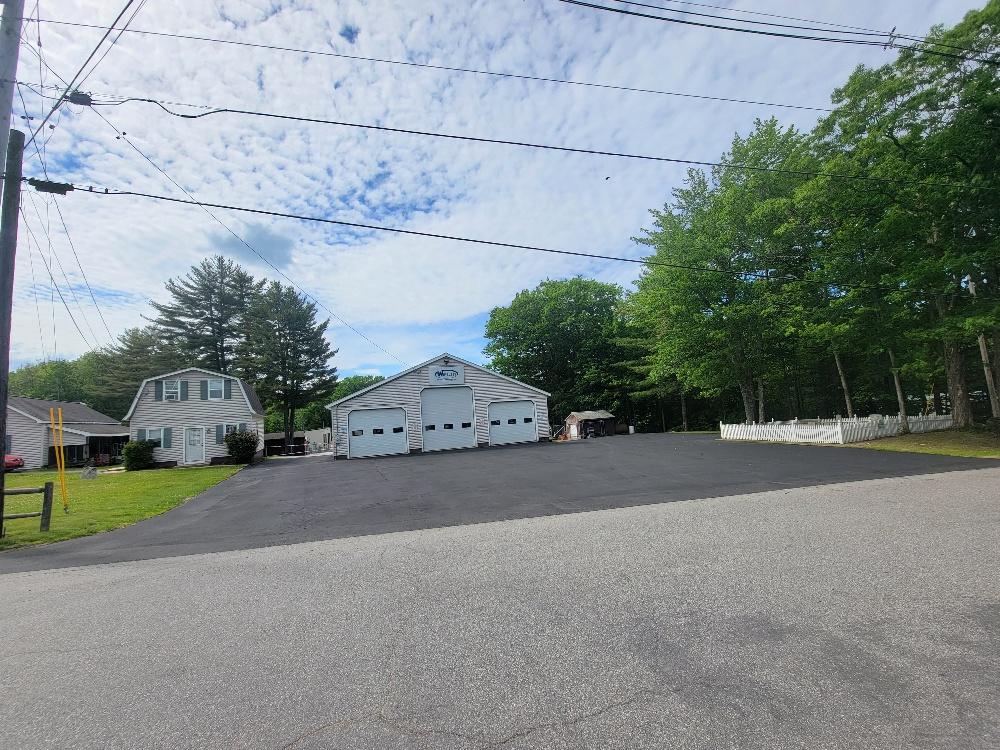
While the structural benefits of sealcoating are the most important for your wallet, the aesthetic benefits shouldn't be ignored. A deep, rich black driveway instantly changes the look of a home. It makes the green of the lawn pop and the colors of the house look more vibrant.
If you are considering selling your home in the Portland area, a freshly sealed driveway is one of the most cost-effective ways to boost your property value instantly. It sends a signal to potential buyers that the home has been well-maintained and that they won't be facing a major paving bill in the near future.
To truly double the life of your driveway, your job doesn't end once the sealer is dry. There are a few small habits that can protect the coating:
When it comes to maintaining your property, local knowledge matters. A contractor from a warmer climate might not understand the specific challenges of a Scarborough winter or the unique soil conditions in Penobscot County.
Pine State Asphalt is deeply rooted in the Maine community. We understand that a driveway isn't just a place to park your car; it’s an investment in your home’s infrastructure. By using the right materials at the right time and following the proper techniques, we help our neighbors avoid the high costs of total reconstruction.
If your driveway is starting to show its age, or if it’s been more than three years since your last application, it might be time to look into a professional maintenance plan. Feel free to contact us to discuss your specific needs. Whether you're managing a single residential driveway or a large commercial parking lot, the principles of preservation remain the same: protect the surface today to save the structure tomorrow.



"They were easy to work with and did a beautiful job sealing the driveway. So very happy we use them."


"Did my driveway. Very large, very steep driveway with some special features. Came out great. Very happy with the service. Nice people to work with too."

"You guys did an awesome job! The sealcoating looks great on my driveway and you can barely tell that the in-laws pothole was ever there. Thanks for the work!"


%201.png)


.jpg)
.jpg)
.png)
.png)